



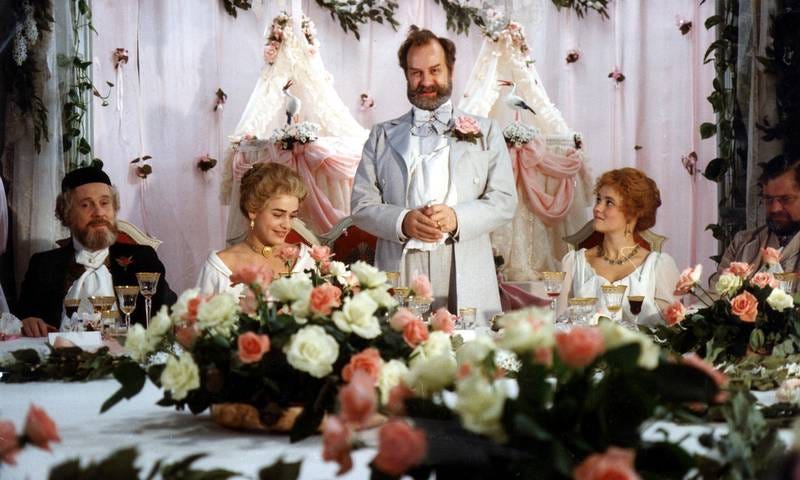
“The world is a den of thieves and night is falling. Soon it will be the hour for robbers and murderers. Evil is breaking its chains and goes through the world like a mad dog. The poisoning affects us all, without exception, us Ekdahls and everyone else. No one escapes, not even Helena Viktoria or little Aurora over there in Amanda’s lap.
So it shall be. Therefore let us be happy while we are happy, let us be kind, generous, affectionate, and good. Therefore it is necessary, and not in the least shameful, to take pleasure in the little world, good food, gentle smiles, fruit-trees in bloom, waltzes.” - Gustav Ekdahl, Fanny and Alexander
2025, I often think, will be seen as a hinge year. It was a year when even the most pollyanna among us could no longer deny that lines—once bright, clear, and moral—could be crossed with impunity. A cruel and transgressive glee courses through our society. For many, this feels exhilarating. Like a dark version of liberty.
To others, and what feels like an emerging counter-culture, it is wholly exhausting and enervating. You can hear it in contemporary music when Cameron Winter wails “I try... so hard” in Geese’s “Trinidad,” or in Rosalía’s literal prayers for God’s grace and compassion in “Mi Cristo Piel Diamante.”
In this year’s best films, this theme emerged as a New Romantic movement—a rejection of algorithmic slop and transgressive nonsense in favor of something older and harder to fake: grace, compassion, love, spirituality, connection, family. I’ll be posting my list of 2025’s best new releases later this week - after I get a chance to see Marty Supreme and Avatar.
These are the films made by artists who’d seen the “mad dog of evil” before and knew what it cost to keep the candles lit.
This was, for me, a year of embracing the sublime. The complex. The work that demands more attention, not less. More presence, not more ease.
Call it whatever you want. Resistance. Counter-culture. Refusing to let transgression masquerade as freedom. Refusing to believe that the only response to a world coming apart is to consume faster and feel less.
These films are part of that refusal. They are not escapes.
During 2025, Letterboxd tells me I’ve watched over 280 films. These are the ones that mattered. The ones that held a light across the darkness.
The vast majority of these films are international in origin. Having seen most of the American classics, “new to me watches” tend to hail from abroad. But in seeking cinema that insists on human potential and the necessity of human connection, I found kindred spirits across Sweden and Japan, Italy and Czechoslovakia, France and Korea.
The fact that this cinema emerges from such different cultures and filmmakers and literary traditions underlines their basic humanism.
Gustav Ekdahl could have raised his champagne glass in any of these worlds.
Honorable Mentions
Iron Curtain Revelations
There’s something about restriction that breeds clarity—or maybe it’s that when you might go to prison for what you’re saying, you make damn sure it’s worth saying.
Ikarie XB 1 (1963, Jindřich Polák) is definitely my new favorite episode of Star Trek. Socialist spaceships, doomed away teams, a crew all impacted by the same strange phenomenon. I know Kubrick used this as a 2001 reference, but Roddenberry must’ve seen it, right? I was expecting East Bloc pathos and got “Encounter at Alpha Centauri”—which was considerably more enjoyable. Czech filmmakers in 1963, imagining a genuinely egalitarian future while their own society only pretended to be one. The irony writes itself. The hope doesn’t.
Carriage to Vienna (1966, Karel Kachyňa) devastated me. The performances are completely haunting. The loss of humanity on display rivals Lord of the Flies. Its redemption and then final loss is devastating. “We’re not Nazis after all,” right? The idea that it can’t happen here—or anywhere—is belied by our essential humanity. We are capable of great evil and great love. The act and the impact on our fellow people are all that matter.
The Ear (1970, Karel Kachyňa) has a clear debt to La Notte and Who’s Afraid of Virginia Woolf but with added layers of mortal danger and totalitarian atmosphere.
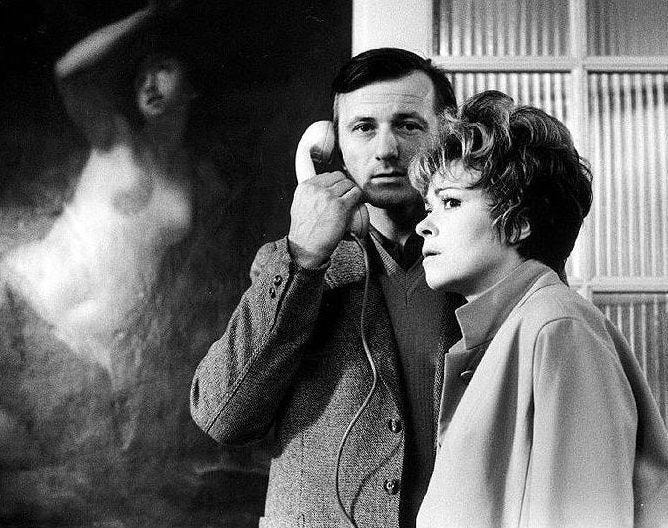
Right/Left—the will to power needs no excuse, but will find it in “Socialist greatness” or other forms more homegrown. Tyranny—whatever its ideological excuse—has similar threads running through its long tapestry. The use of flashback and lighting maintains noir-like suspense in every frame. An intense but also highly enjoyable watch.
Genre as Philosophy
Genre cinema—when done right—holds more moral complexity than prestige drama ever dares attempt. These are crime films and ghost stories that meditate on obligation, betrayal, and the weight of choices that can’t be unmade.
Burning (2018, Lee Chang-dong) is the perfect neo-noir. The world is coming apart at the seams, and maybe only the truly alienated belong in this new world. Dream logic, psychological decomposition, unreliable narrators, political undertones, killer—literally—performances. What more do you want from cinema? Lee builds a mystery that might not even be a mystery, a crime that might not have happened, a protagonist who might be more dangerous than anyone he suspects. I watched it twice in a month and found a different film each time.
Intimidation (1960, Koreyoshi Kurahara)—post-war Japan is such an incredible miasma of emasculation, discomfort, and embrace of modernism and lost tradition. This film somehow manages to get all that AND one of the most tense bank robbery sequences you’ll ever see. The twists are so warped they fold back over on themselves.
One of the best noirs you’ll see in any language from any country. The sense that everyone is trapped by codes they didn’t write and can’t escape.
The Bride from Hades (1968, Satsuo Yamamoto)—”She died in protest of the cruelty of the world.” Is it possible to make films that look like this today? Is this film stock and grain lost to us forever? It’s just so beautifully shot and filmed, it’s mesmerizing.
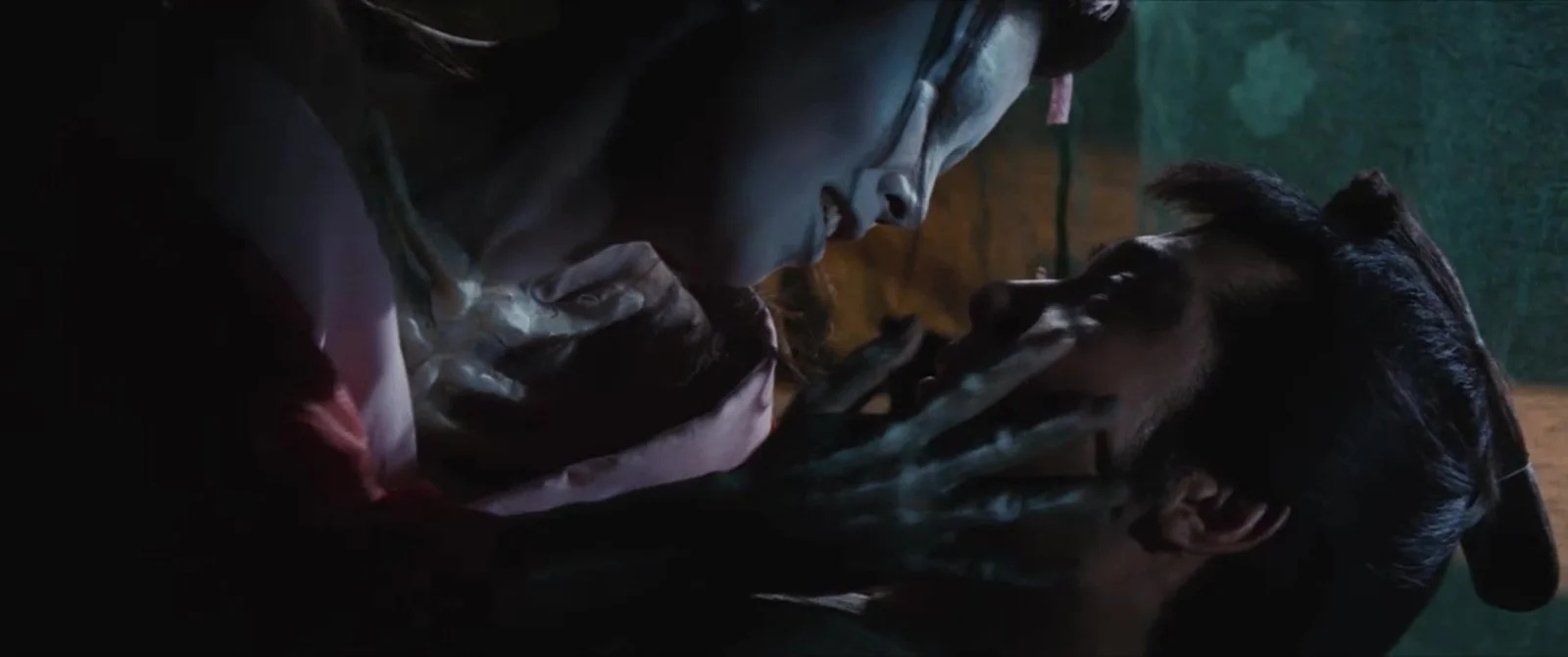
Form and function align perfectly—every character, human, ghost, or otherwise, gets exactly what they deserve. The supernatural isn’t metaphor here. It’s justice.
Big Time Gambling Boss (1968, Kōsaku Yamashita)—no wonder the Yakuza got a reputation for being cold-blooded. A lot more intimate than what I was expecting.
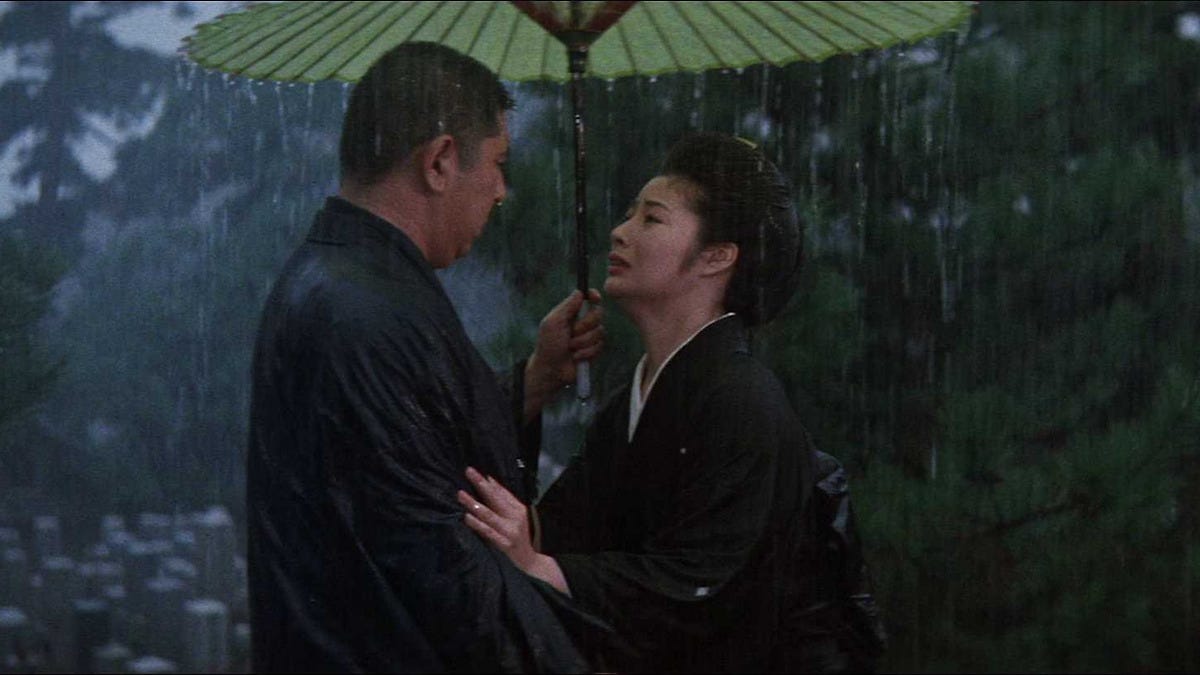
A good reminder that there is never any honor or code or brotherhood among thieves and murderers. The men who believe in the code are the men who die by it. The men who survive are the ones who understood it was always a lie.
The Case is Closed, Forget It (1971, Damiano Damiani) is visceral. The last 20 minutes of this film are a tour de force in making the audience feel trapped, then elated at release. But at what cost? The film feints at morality, even shows some courage. But the weight of cruelty and violence and systemic evil are just too much.
It’s rare we see cowardice and its fundamental appeal placed at the center of a film. This one makes it seem like it’s the only choice worth making. And in these times, that’s absolutely terrifying.
10. Sympathy for the Underdog (1971, Fukasaku)
There’s a moment when the aging boss returns to Okinawa—the place of his exile, the scene of his humiliation—and you realize Fukasaku isn’t making a revenge film. He’s making an elegy.
The deepest and most badass gangster film I’ve seen in some time. Yes it’s cool. Yes it’s ultra-violent and has amazing set pieces. But it also has deep oceans of humanity.
Fukasaku understands something that most yakuza films miss: these men aren’t romantic antiheroes. They’re damaged, desperate, clinging to codes that destroy them. The sunglasses and bloodshed are surface. Beneath them—loyalty that’s also imprisonment, violence that’s also grief, brotherhood that leads inexorably to mutual destruction.
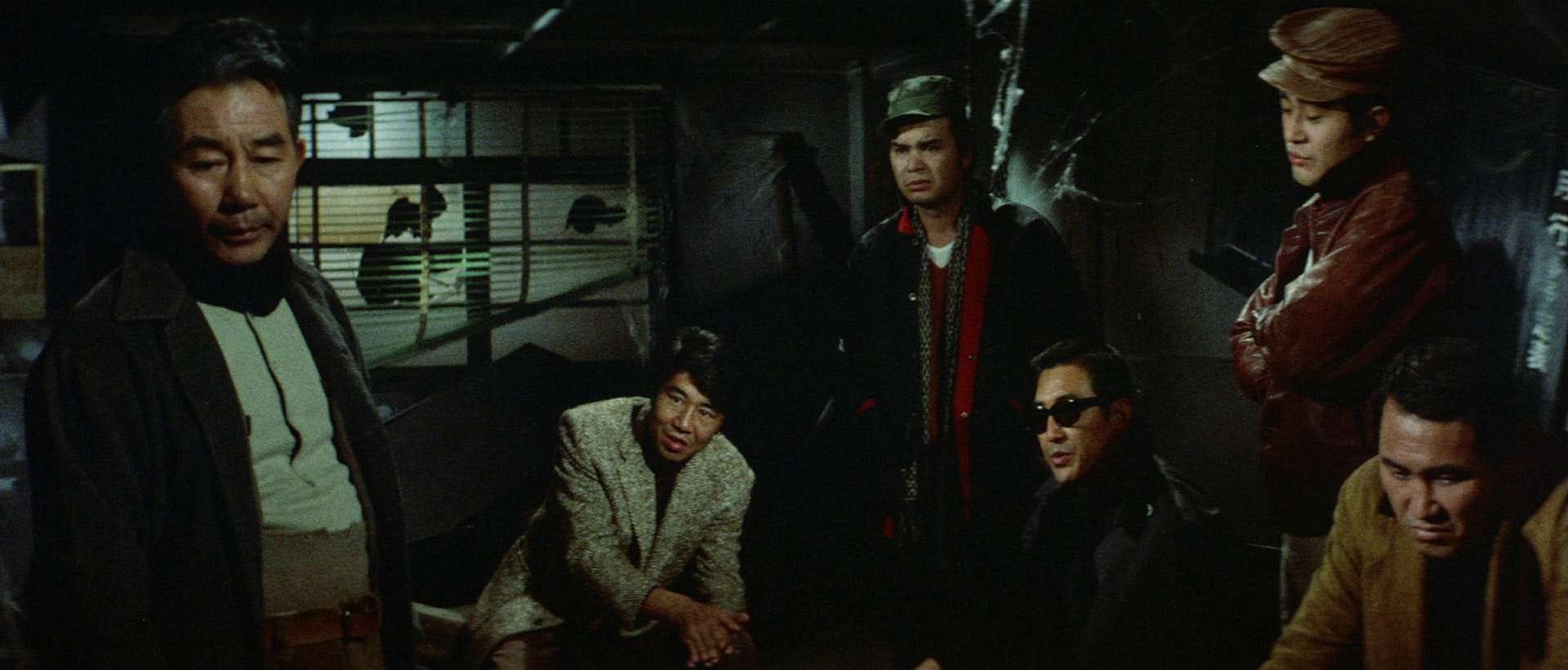
The film follows a gang boss reassembling his crew for one last stand against the syndicate that destroyed them. Standard genre setup. What makes it extraordinary is how Fukasaku refuses to let you simply enjoy the mayhem. Every death costs something. Every victory is also a defeat. The men who survive aren’t better off than the men who fall.
Rare that a brutal gang fight leaves you both elated and grief-stricken.
A masterpiece of the genre—and a reminder that genre, done right, can hold more truth than prestige cinema ever dares attempt.
9. The Bride Wore Black (1968, Truffaut)
Ice-cold revenge about which Klingons would write epic poems.
Jeanne Moreau moves through this film like an avenging angel—or a demon wearing an angel’s patience. She’s methodical. She’s pitiless. She’s one of the great screen presences, and Truffaut gives her room to work in ways Hitchcock never quite allowed his blondes.
Tarantino’s Bride might have samurai swords and machine guns and years of ninja training—but I don’t think she could lay a finger on the OG.
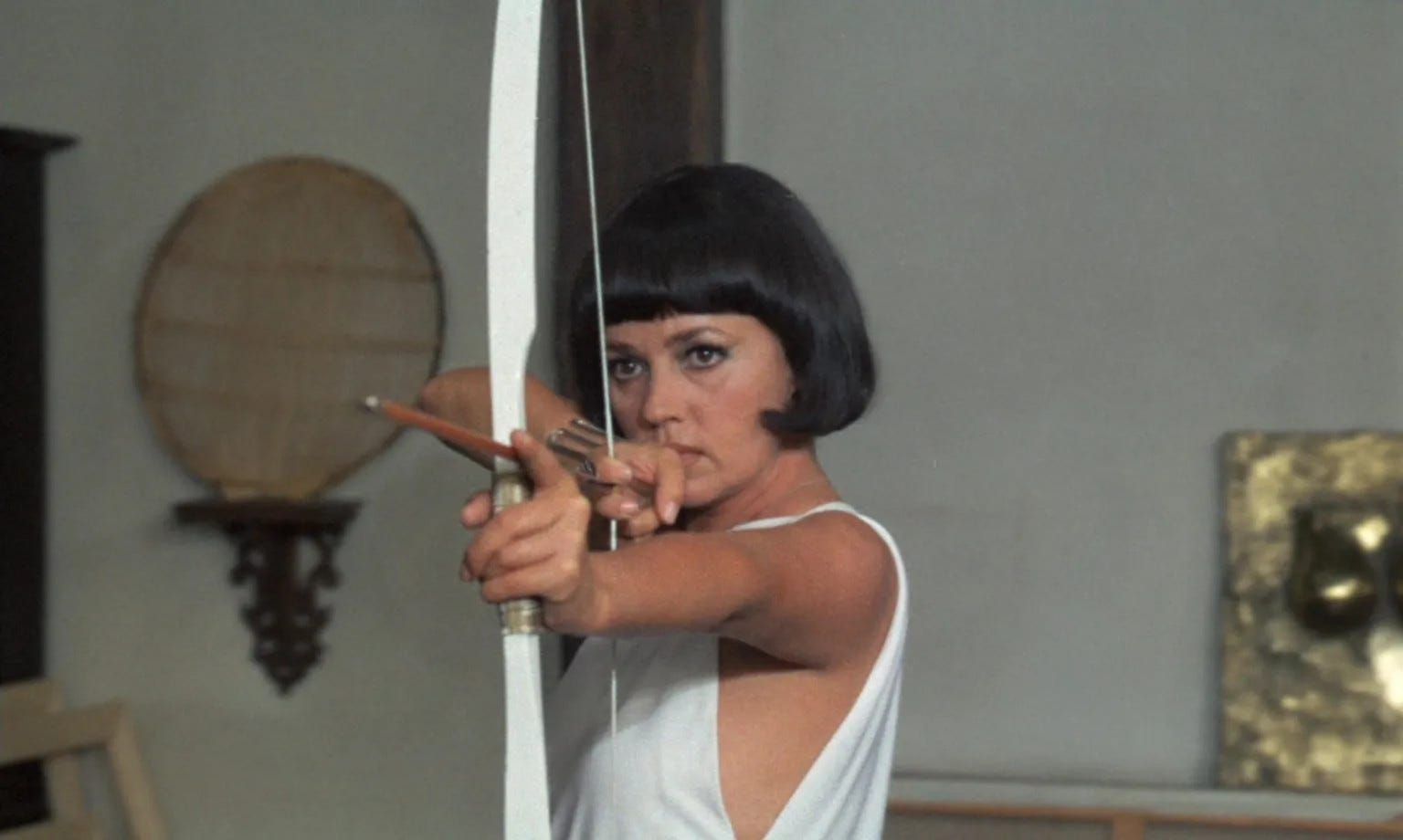
The men she kills barely know what’s happening. They barely remember the wedding they ruined. That’s the point. The asymmetry between her suffering and their obliviousness is the engine of the whole thing. They’ve moved on. She never will. They forgot. She’s built a cathedral of memory around her grief and filled it with their blood.
Hitchcock made films about guilt—the psychological torment of those who’ve done wrong. Truffaut makes one about what happens when guilt never arrives. When the perpetrators feel nothing. When justice must be imposed from outside because it will never emerge from within.
Just so badass. Truffaut!
8. Brazil (1985, Gilliam)
Humanity or the machine?
Terry Gilliam nails the vulgar arbitrariness of fascism. This isn’t some sleek dystopia where trains run on time—this is a world of malfunctioning ducts, incompetent bureaucrats, paperwork errors that get people killed. The inequality, the ever-present threat of violence, the fierce stupidity of it all is on display in this nightmarish work of prophecy.
The production design pulls from City Lights and Triumph of the Will and the whole low dishonest decade of the 1930s. Jonathan Pryce dreams of flying away with the woman he loves while the state tortures people in the next room. The system doesn’t work. It was never supposed to work. Working was never the point.
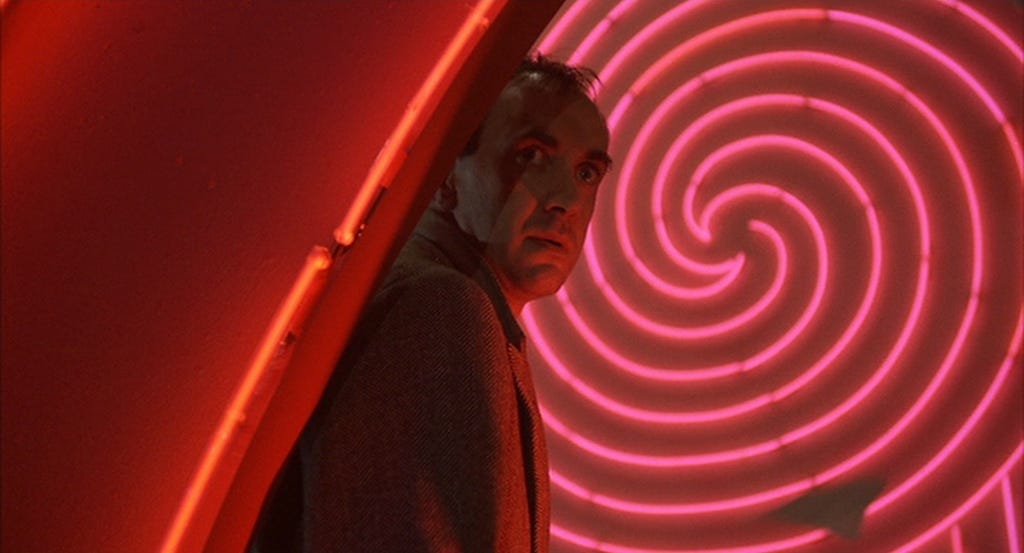
But Gilliam anticipates something beyond the political—the beauty fixation in a world that lacks feeling. Everyone is getting plastic surgery. Everyone is optimizing their appearance. Nobody is connecting. The totalitarian state and the consumer society aren’t opposites. They’re the same disease with different symptoms.
Truly a work of deep humanism—that shows us the depths to which a society loses its soul.
The film is funny until it’s not. Then it’s the most terrifying thing you’ve ever seen. This isn’t dystopia as warning. It’s a cultural diagnosis of the 2020s.
7. High and Low (1963, Kurosawa)
The opening sequences are operatic in their intensity and blocking, but as intimate as a one-set play.
Mifune’s Gondo is the good man in a bad situation. His chauffeur’s son is kidnapped by mistake—the criminals wanted his own child. They demand a ransom that will bankrupt him. He’s not legally obligated to pay. Morally? That’s the film.
Kurosawa splits the runtime between claustrophobic hostage drama and procedural manhunt. Both halves are masterpieces. The first half traps us in Gondo’s living room, watching him wrestle with an impossible choice while the clock ticks down. The second half releases us into the streets of Yokohama, following detectives as they methodically track the kidnapper through the city’s underworld.
But what elevates this beyond genre is Kurosawa’s refusal to let anyone off the hook.
Gondo does not hesitate to sacrifice, and pays for the sins of people who wish him well and those who resent him. And yet he is never pathetic. He is never pitiable. The detective who catches the kidnapper isn’t vindicated. The kidnapper himself gets a scene of such moral weight it reframes everything that came before.
The final image: two men separated by a pane of glass. One who chose to do right despite the cost. One who chose resentment and destruction. They understand each other perfectly. They can never bridge the distance.
Gondo stands up to the resentful little shit that “ruins” his life and shows him the true power of human dignity.
Rivals Throne of Blood as Kurosawa’s finest.
6. L’Eclisse (1962, Antonioni)
Antonioni is either a prophet or a time traveler.
One only needs to go online for five minutes to experience L’Eclisse‘s modernity in full flower. The alienation he diagnosed in 1962—people unable to connect despite constant proximity, meaning dissolving into transaction, beauty becoming background noise—has become so ubiquitous we barely notice it anymore.
Monica Vitti wanders through Rome and the stock exchange and her own apartment with the same gorgeous detachment. Alain Delon pursues her with all the passion of a man completing a transaction. They meet. They talk. They make love. None of it quite lands. Something is missing—something neither of them can name, something the film refuses to provide.
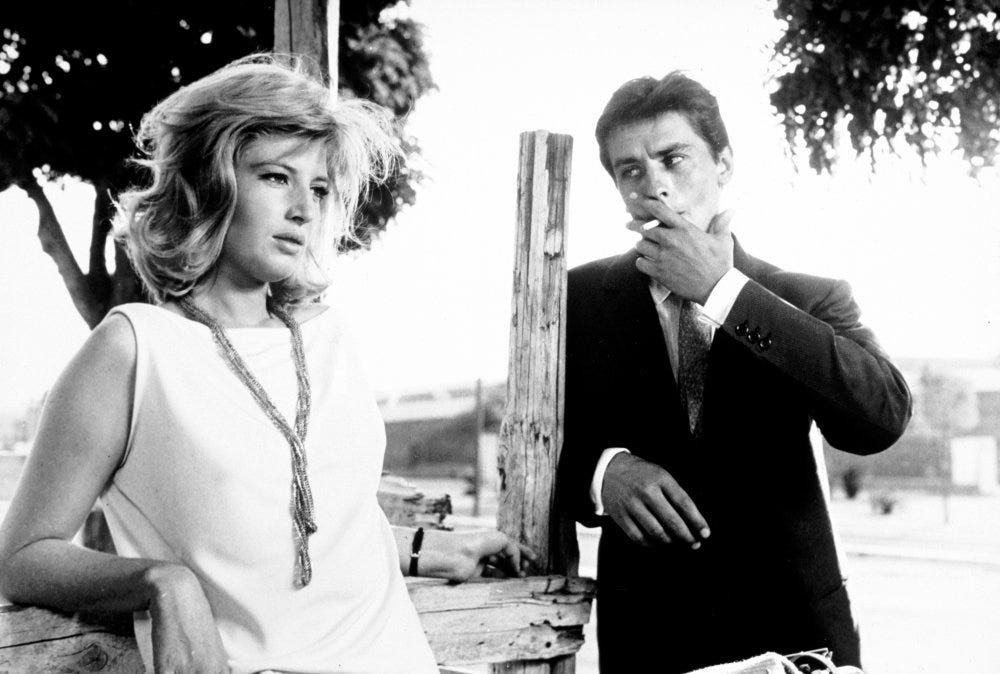
When even peak Monica Vitti is not enough to stir your humanity, then really what is the point of all the striving and clean lines and perfectly minimalist Instagram photos...
They agree to meet at a corner. The film shows us the empty corner where they were supposed to appear. Eight minutes of silence and location shots. No characters. Just the world continuing without them. Street lamps flicker on. A sprinkler waters a garden. A bus arrives and departs. Life goes on, indifferent to the connection that failed to happen.
Antonioni isn’t showing us a missed connection. He’s showing us what we’ve all become—ghosts passing through spaces that no longer hold meaning, waiting for someone who isn’t coming, not even noticing we’ve stopped showing up ourselves.
Long live humanism.
5. Oldboy (2003, Park Chan-wook)
Maybe revenge isn’t a dish best served cold—but with psychopathic derangement?
I’d been putting this off for twenty years. Everyone said it was brutal, transgressive, one of those films you can only see once. They were wrong about the last part. You can see it twice. The second time is worse because you know what’s coming and you understand what it means.
Twisted beyond belief, violent and outright transgressive. Shades of Hitchcock, Suzuki, and Greek tragedies. Vengeance and retribution can only end like this.
Park Chan-wook builds his revenge narrative like a trap—not for his protagonist but for the audience. We want Oh Dae-su to succeed. We want him to find the truth. We want him to understand why he was imprisoned for fifteen years without explanation. When he does, we wish we hadn’t wanted anything at all.
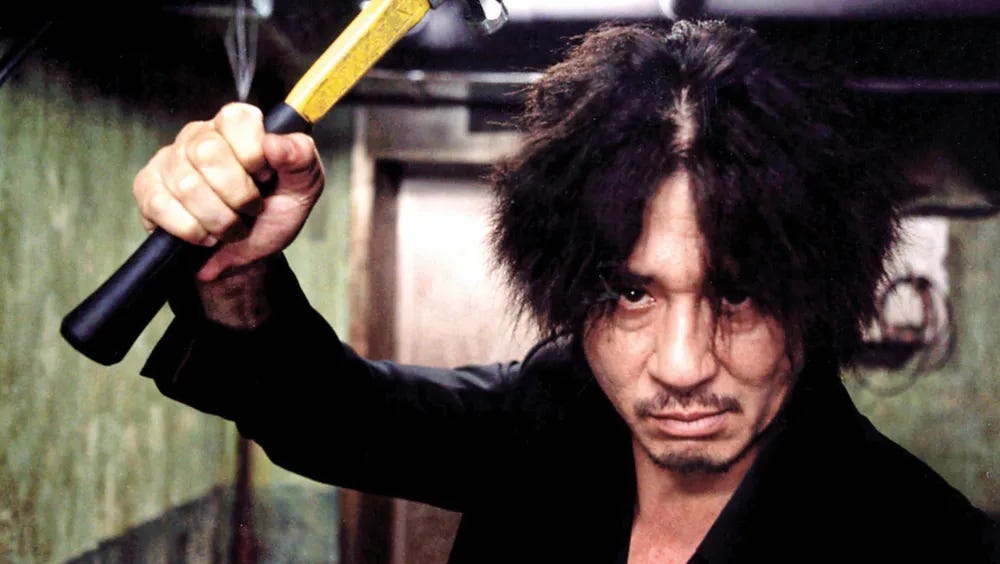
The corridor fight everyone talks about is great—a single unbroken take of exhausted brutality, a man fighting through an army with a hammer and sheer desperation. But the real violence happens in a conversation. The real damage is done with words. The revelation that recontextualizes everything isn’t a twist so much as a wound.
This is what the Greeks understood: tragedy isn’t bad things happening to good people. Tragedy is the recognition that your own choices led you here. That the gods weren’t punishing you—you were always punishing yourself.
4. Scenes from a Marriage (1973, Bergman)
A work that made me count my blessings.
Scenes is an incredibly raw portrayal of two people who are bound to each other beyond mere romantic love. Johan and Marianne are truly married in the spiritual and literal sense of the word—whatever their legal status.
Liv Ullmann and Erland Josephson play a couple who seem happy. They’re successful, attractive, articulate. They have the marriage everyone envies. They give an interview at the start of the film explaining how wonderful their relationship is. Then it isn’t.
Bergman originally made this as a television series—six episodes, each an excavation of intimacy’s failure. No escape. No relief. Just two people discovering that love wasn’t enough and trying to figure out what’s left.
The faces in this film are unforgettable and say far more than the script. There is beauty and pain and sensuality and incredible, almost unspeakable cruelty in this marriage. Johan can be casually monstrous. Marianne can be suffocatingly passive. They hurt each other terribly. They keep hurting each other. And yet—by the end—something survives.
Not the marriage. Something else. Something harder to name.
Incredible stuff from Bergman, who may have accomplished the first prestige TV show.
3. Il Sorpasso (1962, Risi)
Thinking of Wild Strawberries while watching this film—but of course with less obvious pathos and more Italian “ciao bella” attitude and humor.
Vittorio Gassman plays Bruno, a middle-aged man-child who picks up a shy law student on a summer afternoon and drags him through 24 hours of liberation. Jean-Louis Trintignant is the student, Roberto, watching this life force with horror and envy and growing affection.
Bruno talks constantly. He knows everyone. He has an opinion on everything. He’s exhausting and magnetic and the camera loves him the way we love people we know will destroy us. Roberto is studying for exams, buttoned-up and careful and missing his life while preparing for it. Bruno is the opposite—all impulse, no plan, burning through experiences without retaining them.
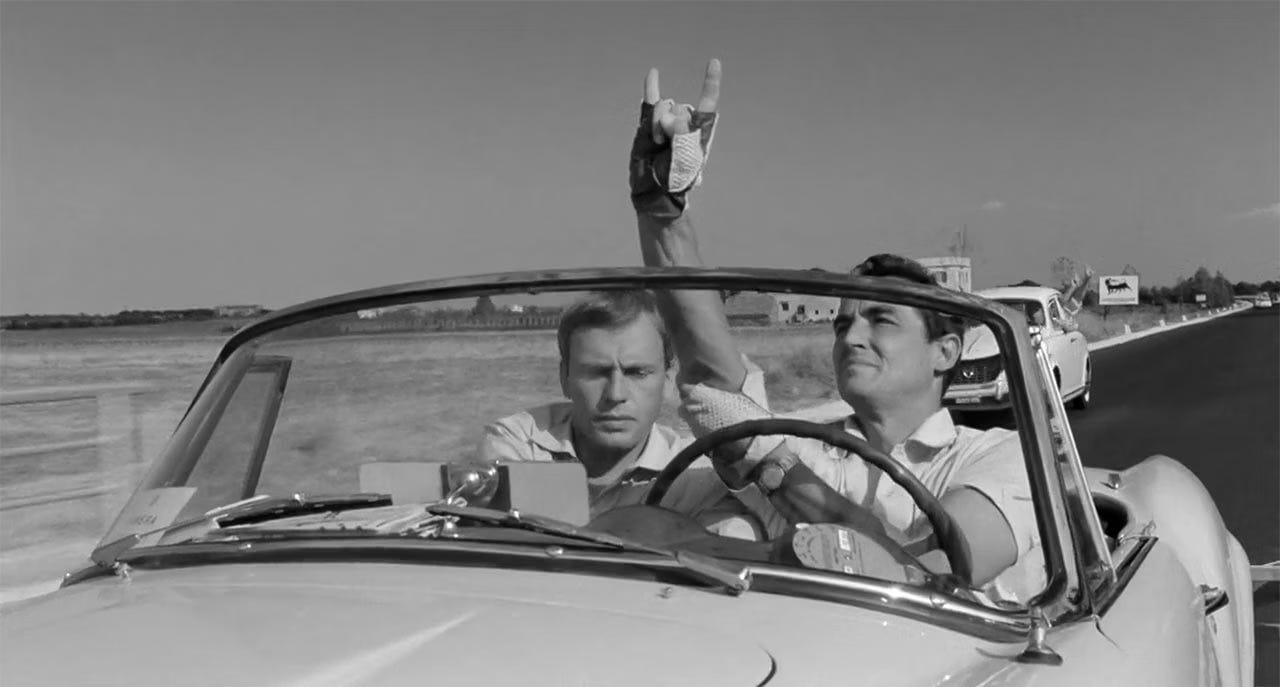
So much love and humanity in this film. For people. For family. For friends. For the open road. And of course for Italy. The Lazio coastline, the small towns, the restaurants where Bruno knows the owner, the highways where he drives too fast while lecturing Roberto about living in the moment.
This is commedia all’italiana at its peak—social satire so sharp you don’t notice you’re bleeding until afterward. Risi builds the road trip like a hangout movie, all vibes and conversations and beautiful scenery. You forget you’re watching a carefully constructed critique of postwar Italian society. You’re just enjoying the ride.
This looks great, has an amazing soundtrack, and made me snort with laughter.
The ending arrives like a truck.
A classic that deserves to be mentioned alongside other masterpieces from this era from Fellini, Visconti, and Rossellini.
2. Du côté d’Orouët (1971, Rozier)
Near Orouët blows in through the jasmine in my mind.
Three women spend a summer at the beach. That’s it. That’s the plot.
Rozier shot this on 16mm with a tiny crew, following his actresses as they swam and sunbathed and talked about nothing in particular. The film lasts nearly three hours. It has no structure in any conventional sense. Scenes drift into scenes. Days blur together. Time becomes texture rather than progression.
It might be the most perfect film about summer and young friendship that I’ve ever seen. When I think back on my twenties (which are nearly 30 years ago), summer weekends spent with girls you only kind of knew—where relationships stayed indefinable and blurred with ocean water and music and sun and wine—are obviously the ones I remember most fondly.
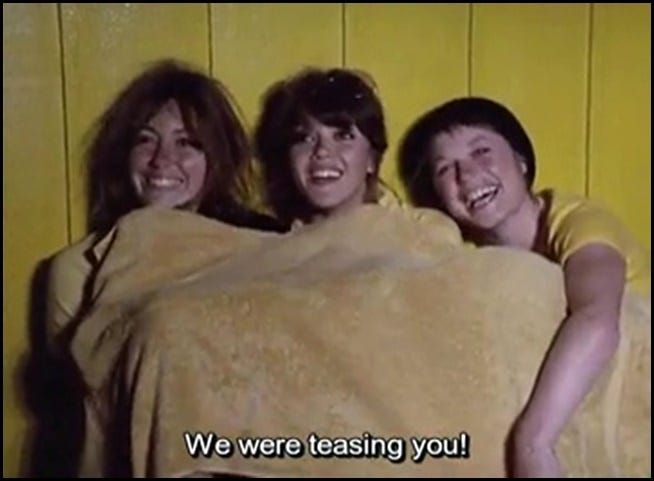
It’s rare a film can capture a feeling so completely, but Rozier’s film feels like a lost memory. It is so real, you cannot help but feel your own humanity and memories intertwining with Kareen, Caroline, Gilbert, and Joelle. Its nearly three-hour runtime is completely necessary. Despite so little plot, it never ever drags.
And somehow Rozier captures something most films never approach: the ache of knowing a season must end. The way you can feel summer slipping away even while you’re still in it. The specific sadness of temporary friendship, temporary joy, the return to ordinary life that waits at the end of every vacation. The knowledge that you’ll never be exactly this young again, that these particular people will scatter, that you’re living through something irreplaceable even as it’s happening.
I watched this in July. By December I’d thought about it more than almost anything else I’d seen all year.
Very grateful to Criterion for streaming Rozier’s work in the US for the first time, and to Richard Brody for championing it.
This one is an all-time masterpiece.
1. Fanny and Alexander - TV Version (1984, Bergman)
I believe in ghosts too, Alexander.
Fanny and Alexander is the greatest film I have ever seen.
The film portrays such a specific time and place—Swedish bourgeois life at the turn of the twentieth century, a theatrical family celebrating Christmas with magic lanterns and puppet shows and too much champagne—yet experiences emotions that are deeply universal. The magic of childhood. The cruelty of institutions. The persistence of the dead.
Bergman spent his entire career asking whether God exists. Fifty years of circling the question from every angle.
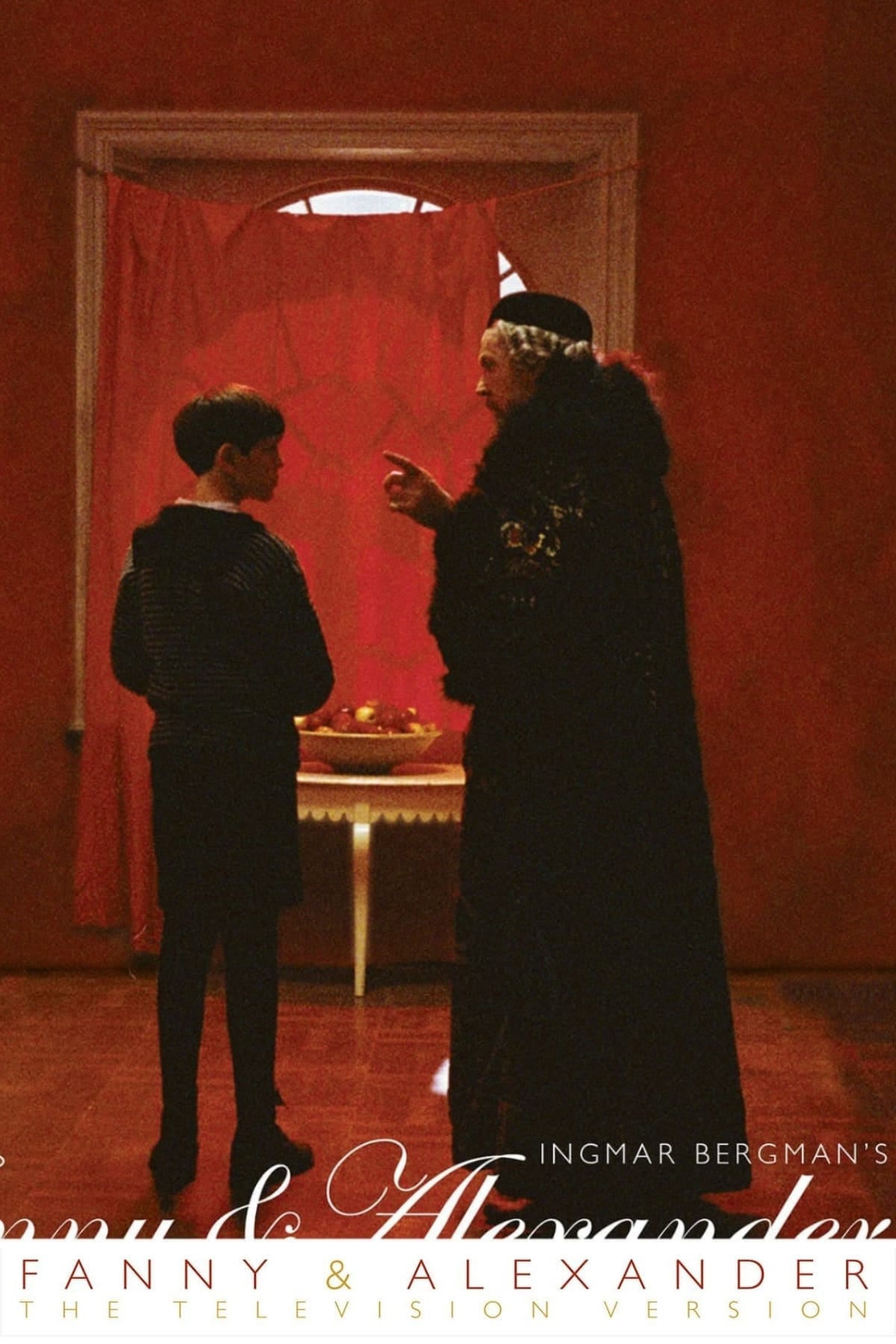
Fanny and Alexander is his answer: The question matters less than how we treat each other while we’re here.
I first saw Wild Strawberries at 19, in Professor Jennings’s film class on a scratchy 16mm print from his personal collection. It was the first foreign film that I truly connected with, particularly the surrealist and deeply psychological dream sequences. I thought I understood Bergman then.
I understood nothing.
There is so much more than a cold, material world. The universality of our experiences—love and death, cruelty and grace, the persistence of those we’ve lost—testifies to that fundamental truth.
Ghosts are real. The dead persist. And the best we can do is build families, tell stories, honor their memories as candles lit against the darkness.
They are surely watching how we choose to carry onwards.
These 10 films are proof that the questions we're asking now have consistent answers: Grace. Compassion. Connection. The willingness to sit with difficulty but embrace the sublime.
Gustav Ekdahl would understand the 2020s all too well. The mad dog is loose. Therefore let us be kind.