



Every Thanksgiving, everyone in my family puts together a Kahoot as a fun little post-dinner activity.1 If you’re unfamiliar because you don’t have school-aged children and/or aren’t a trivia nerd, Kahoot is an online quiz building website. It’s cute and user friendly and as you can imagine, these trivia games can get pretty quickly out of hand.
A couple of years ago, I made one that could be best described as random nonsense.1 A little sports, a little music, a little of everything, including movies. I had one movie question in there, which was this (which is debatably a music question also):
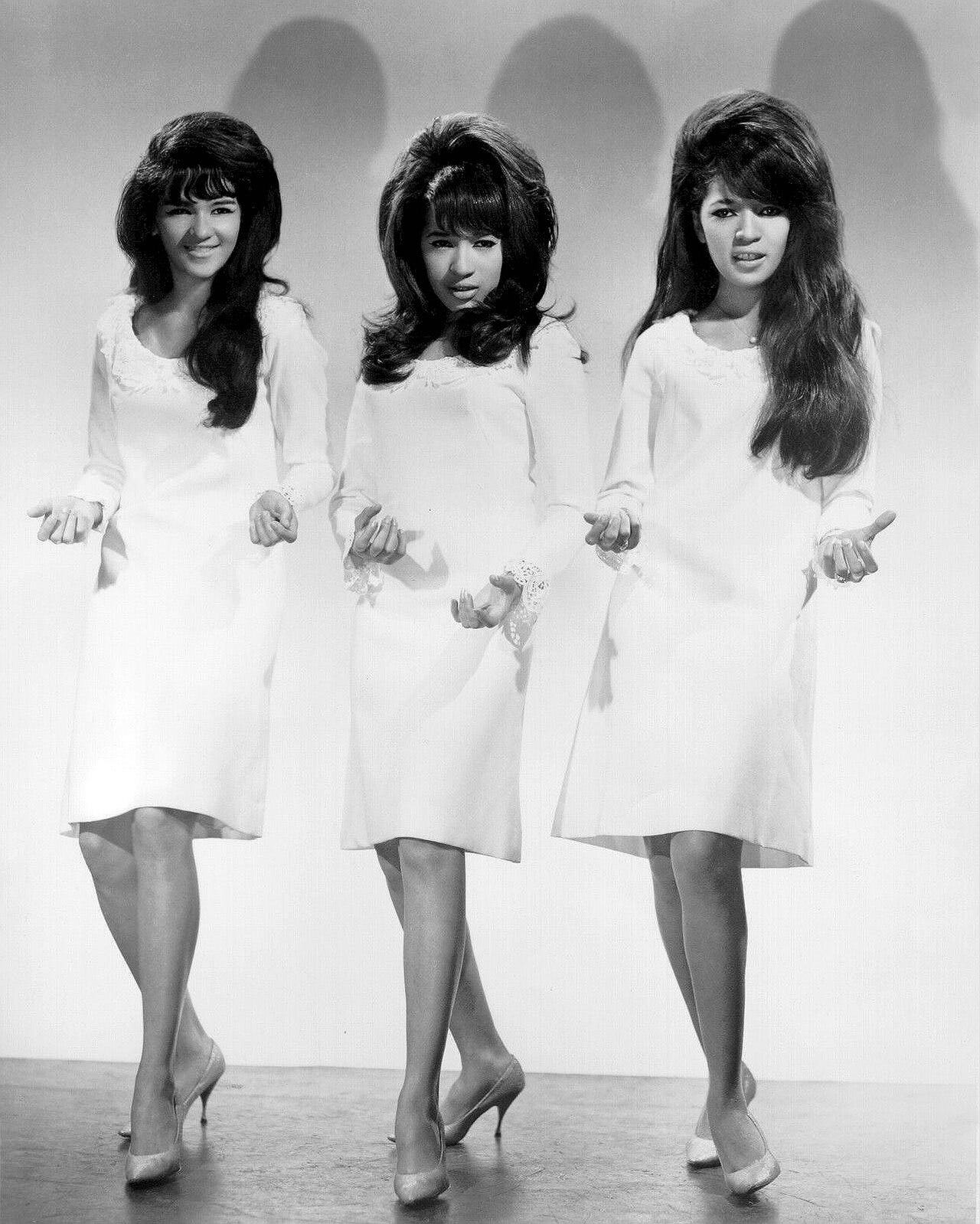
“Which song, regarded by Brian Wilson as the best song ever recorded, is in the cold open for Mean Streets and over the opening credits of Dirty Dancing?”
If neither of those movies gave it away, see the footnote for the answer.2 Dirty Dancing deserves its own treatment at some point, and we’ll get there when we get there, but for the moment, I’m going to go on record as saying that the cold open to Mean Streets is probably the best opening for any movie of the 1970s and may be the best opening for a movie in the last 60 years.
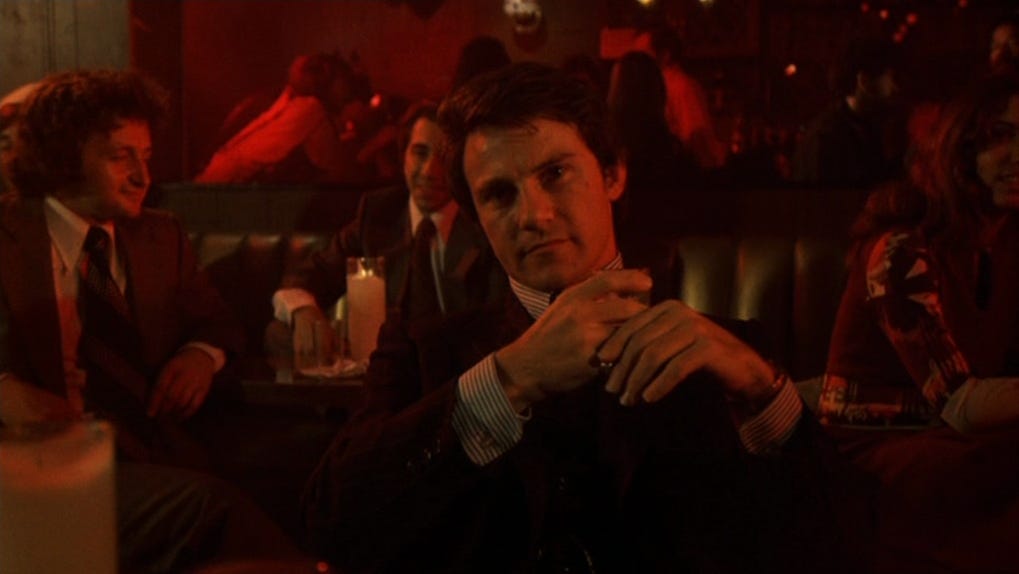
Mean Streets wasn’t Martin Scorsese’s first film, but it was his first film that you could reliably point to as what we would all call a Scorsese film today: a lot of slow motion and freeze frames, voice-over narration, very graphic depictions of violence and more profanity than my worst drive over the hill on the 405 Freeway during rush hour. Scorsese touches on a lot of themes throughout his films, but the Catholic notions of guilt and redemption are pretty consistent.
Mean Streets is at its core an exploration of redemption without sacrifice and what it means to try to change without any sort of investment.
The Line That Sounds Right, But Isn’t
“You don’t make up for your sins in church. You do it in the streets” is one of those lines that sounds like deep knowledge dropped by someone who has seen some shit. It’s tough, earned, worldly even. The first time you hear it, it feels pretty profound.
And it’s the words that Charlie (Harvey Keitel) lives by in the film. He believes that redemption isn’t theoretical and it isn’t quiet. It’s not whispered in confessionals and between you and God. Redemption is a real lived experience, something you endure and pay for in the real world. And the tragedy of the film isn’t that he’s wrong about where redemption happens. It’s that he’s wrong about the cost. The tension that drives the entire film is that Charlie desperately wants redemption, but he’s unwilling to sacrifice anything truly essential to get it.3
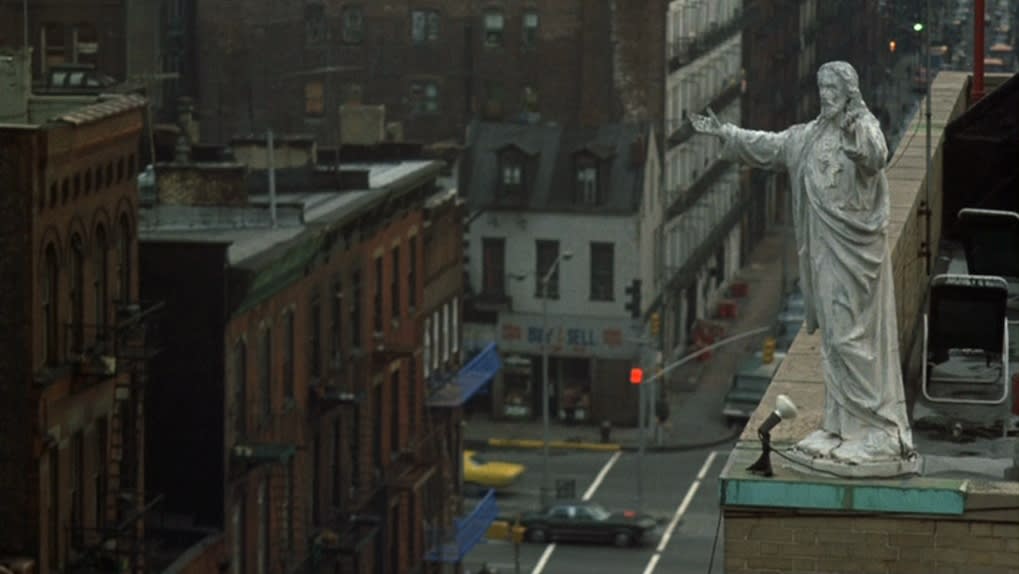
That feels very familiar these days.
Guilt as a Substitute for Change
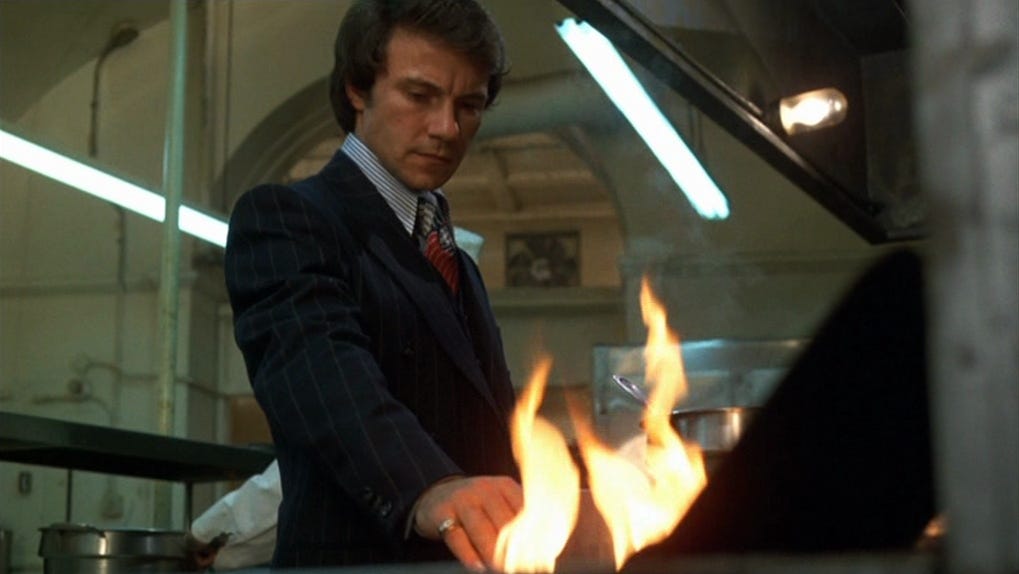
Charlie is never comfortable. He constantly feels bad about everything: sex, ambition, violence, even Johnny Boy (Robert DeNiro). He constantly negotiates internally. He worries. He prays. He burns his hand over a candle flame, as if he’s performing a ritual to demonstrate that his pain will provide absolution.
But guilt doesn’t equal transformation. Guilt is emotional, but change is structural. And Charlie refuses to truly change. He doesn’t leave the mob that creates his pattern of guilt. He doesn’t remove himself from their hierarchy or cut off the relationships that pull him back to compromising the person he wants to be and turn him into the person he hates.
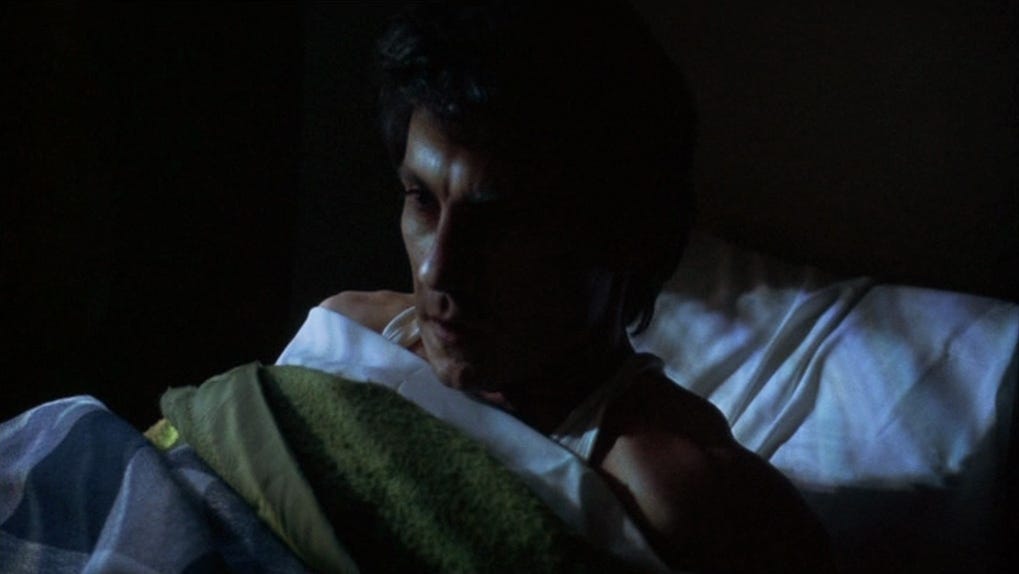
He just feels bad about it. And assumes that discomfort in his life is his own moral progress.
There’s actually something deeply and intensely human about that: awareness as improvement. It’s as though if we simply know something is wrong, if we feel the tension of a situation, that’s growth. But discomfort isn’t growth. Discomfort is the condition that creates the opportunity for growth. If you only nod to it, nothing actually changes.
Charlie wants to redeem himself in the streets, but he never actually changes how he moves through them.
And Charlie sees Johnny as his grand act of redemption, the piece de resistance that will finally bring him absolution and inner peace. Johnny is reckless and erratic, charming in the way that chaos can be charming when you’re drinking with it on Saturday night and not the one hungover on Sunday morning and left to clean it up. He doesn’t pay his debts. He escalates conflict, quickly and always. He refuses any accountability. Charlie tells himself that he’s responsible for Johnny and that protecting Johnny is virtuous and absorbing the fallout from his actions earns him some kind of karmic credit.
But (insert pensive music) is Charlie helping Johnny or does Charlie need Johnny more than Johnny needs Charlie?
Johnny’s suffering is Charlie’s currency. There’s ego in saviorhood and control in being the responsible one. If he endures enough, cleans up enough of Johnny’s messes, absorbs enough of the heat, surely that will count. That will redeem him. That will signal his ascendance. The problem is that loyalty without boundaries or care isn’t being a savior. It’s being complicit. You can’t let something break than take the credit for fixing it. That’s not being a hero. It’s cleaning up a mess that you created (or helped create).
Charlie isn’t rescuing Johnny. He’s just creating enough stability to let Johnny break something else, so he can go in and score more points in his own brain. In the end, he sacrifices everything because he won’t sacrifice the cycle of dysfunction with Johnny and ignores the reality that real sacrifice would require him to choose.
What Sacrifice Would Actually Look Like
Here’s the uncomfortable part the movie explores: what redemption actually requires.
Redemption would require walking away from the mob entirely and letting Johnny face his own consequences. It would require choosing Teresa (Amy Robinson) publicly and without shame4 and accepting that rising in the hierarchy of the mafia means a specific type of moral compromise and deciding that compromise isn’t worth it.
Those choices each cost something very real: belonging, status, identity, access, power or some combination therein. But Charlie never makes any of those cuts with anything that could be described as cleanliness. To be clear, that’s an understandable and very human decision. But it’s a decision with a price tag.
Charlie wants redemption that hurts, but not enough to meaningfully dismantle his life. He wants suffering, not sacrifice and the difference is that one changes everything and the other just feels that way.
An Aside
It’s worth taking a moment to talk about realism in 1970s art. There’s a grit that runs through the art of the time that reflected the reality of life in a way that, as a for instance, Ozzie and Harriet very much did not reflect the reality of the 1950s. As I was working through my thoughts on Mean Streets, I thought about a weird alignment between the film and Barney Miller5, which is nominally a sitcom about detectives in an NYPD precinct and the parade of criminals that run through for processing.
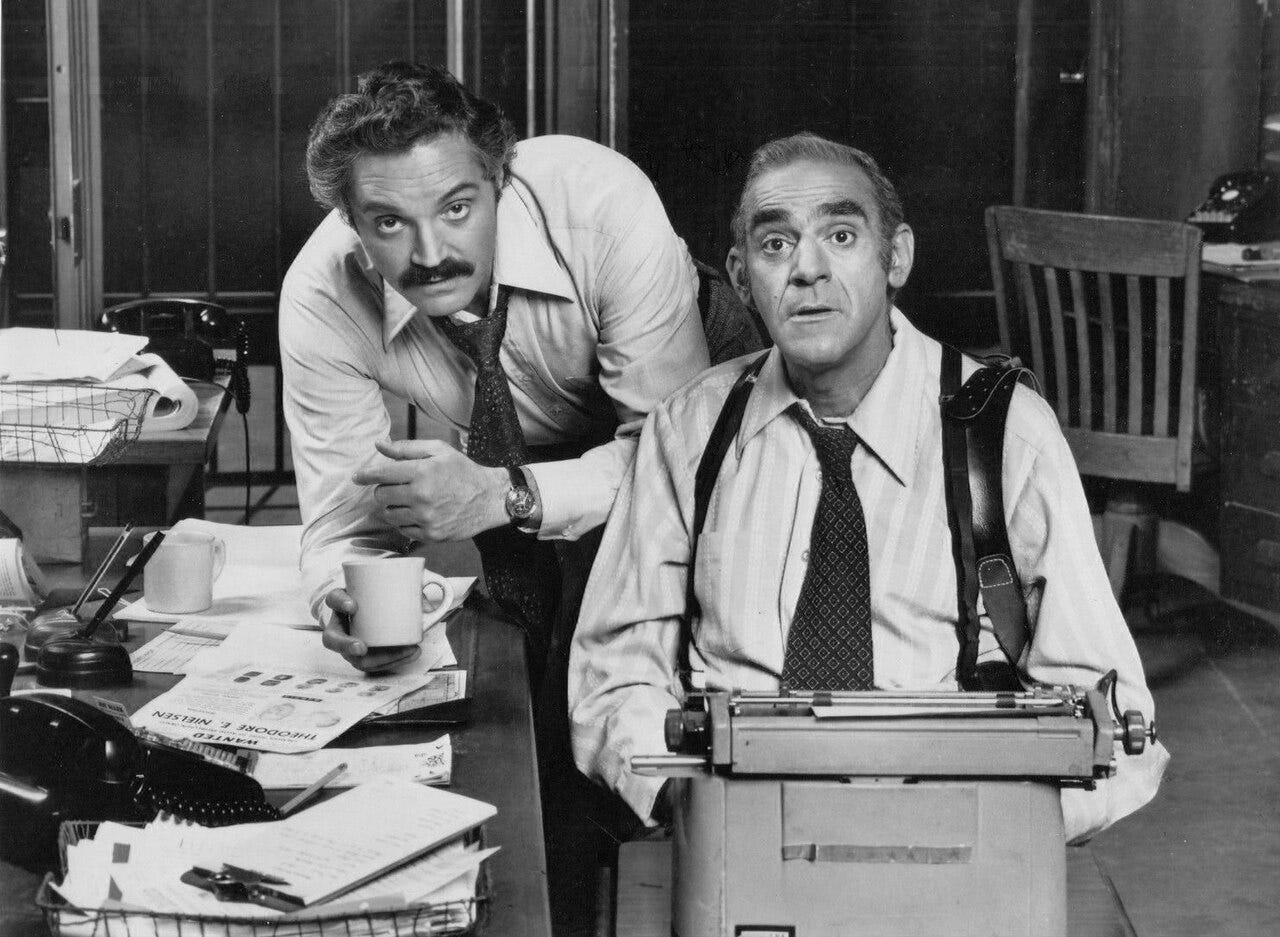
The reason that I say nominally there is for a couple of reasons. One is that unlike many sitcoms of the time, Barney Miller didn’t have any laugh track. The second reason is that while it was funny (if you like a certain type of humor on the darker side6, when taken together with Mean Streets, they reflect the overarching theme of redemption without work and that’s a theme that runs through much of 1970s storytelling.
As I’ve articulated at least a dozen times, Mean Streets reflects a belief that suffering might redeem you without sacrificing anything real if you endure it - a kind of moral romanticism. Barney Miller’s overarching theme is that systems don’t offer any redemption at all. People come in, they get processed and they leave. The institution’s job isn’t change; it’s throughput. It’s to run as frictionlessly as possible - something like institutional realism.
We love the idea of narrative chances and the visual of struggle, reform and comeback. What we don’t seem to love is what redemption actually costs: time, accountability, structural change and genuine loss. And it’s this gap, between the story we want to believe and the systems we actually live within, where the drama lives.
The Modern Parallel: Instant Everything
The quiet indictment of Mean Streets is that it isn’t just about crime. It’s about human nature and how we try to reconcile ambition, loyalty and morality without actually choosing between them. The film’s ultimate message is that you can’t have it all.
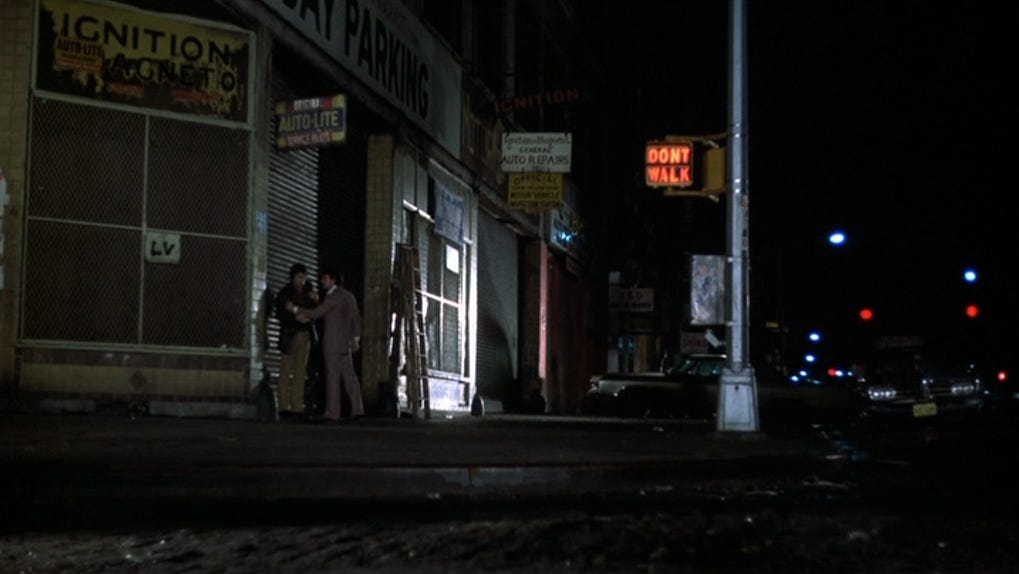
And that’s weirdly and obviously reminiscent of how we operate today.
How many times when buying something on Amazon, and given the choice between immediate delivery or lower carbon footprint delivery that means waiting a day or two, do you opt for the immediacy? I don’t have statistics on this at my finger tips, but I’m willing to bet the vast majority of people choose the former.
That’s a very specific example of a very macro trend of instant gratification and outcomes that we’re currently obsessed with as a culture. We live in a world obsessed with outcomes. We want all the spoils. We want the hero’s arc without putting the work of the apprenticeship. And increasingly, we believe we can skip the part where we earn it. We’ve become extremely comfortable with performative public discomfort without private transformation.
That’s Charlie in a paragraph. He wants the moral payoff without dismantling the surrounding systems that require it.
But at some point, the bill comes due.
Redemption Costs Something Real
The enduring power of Mean Streets isn’t the emerging Scorsese stamp: the violence and the voice over and the style. It’s not even the performances7. It’s the recognition that wanting to be good isn’t the same as putting in the work it takes to choose to be different and actually be good. Charlie is right that redemption isn’t theoretical.
He’s just wrong about what it costs.
Or “Potpourri” in the parlance of Jeopardy!
“Be My Baby” by the Ronettes. Regarding Brian Wilson’s love of that song, he’s been documented as saying first heard the song on the car radio in 1963 and was so stunned by it that he pulled over to the side of the road to listen more closely. In his words, “I really did flip out. Balls-out totally freaked out when I heard ‘Be My Baby.’ It was like having your mind revamped.” It’s also worth noting that the entire soundtrack to Mean Streets is outstanding.
This is a hard pivot, but the sports equivalent of this is when fans completely overvalue their players and create fake trades for the best players on other teams and get wildly angry when someone says “why would the other team do that?”
One of the more bizarre subplots of the film is that Teresa is ostracized from the family because she has epilepsy.
We don’t have enough good TV theme songs anymore. They’re few and far between. Whereas basically every show from the 1970s and 1980s had a killer theme song. I will be reviewing this topic in extreme detail in my book, tentatively titled “The Soundtrack of Our Lives: The Untold Story of TV Theme Songs”. I’ve got an outstanding proposal for this if you have a book agent. Inquire within.
M*A*S*H is another, albeit slightly sillier, example of this type of 1970s sitcom
Harvey Keitel is masterful in this film. It portends the stunning performance he’ll make some 15 years later in Bad Lieutenant. But I’ll put this performance up against anything in his career.