



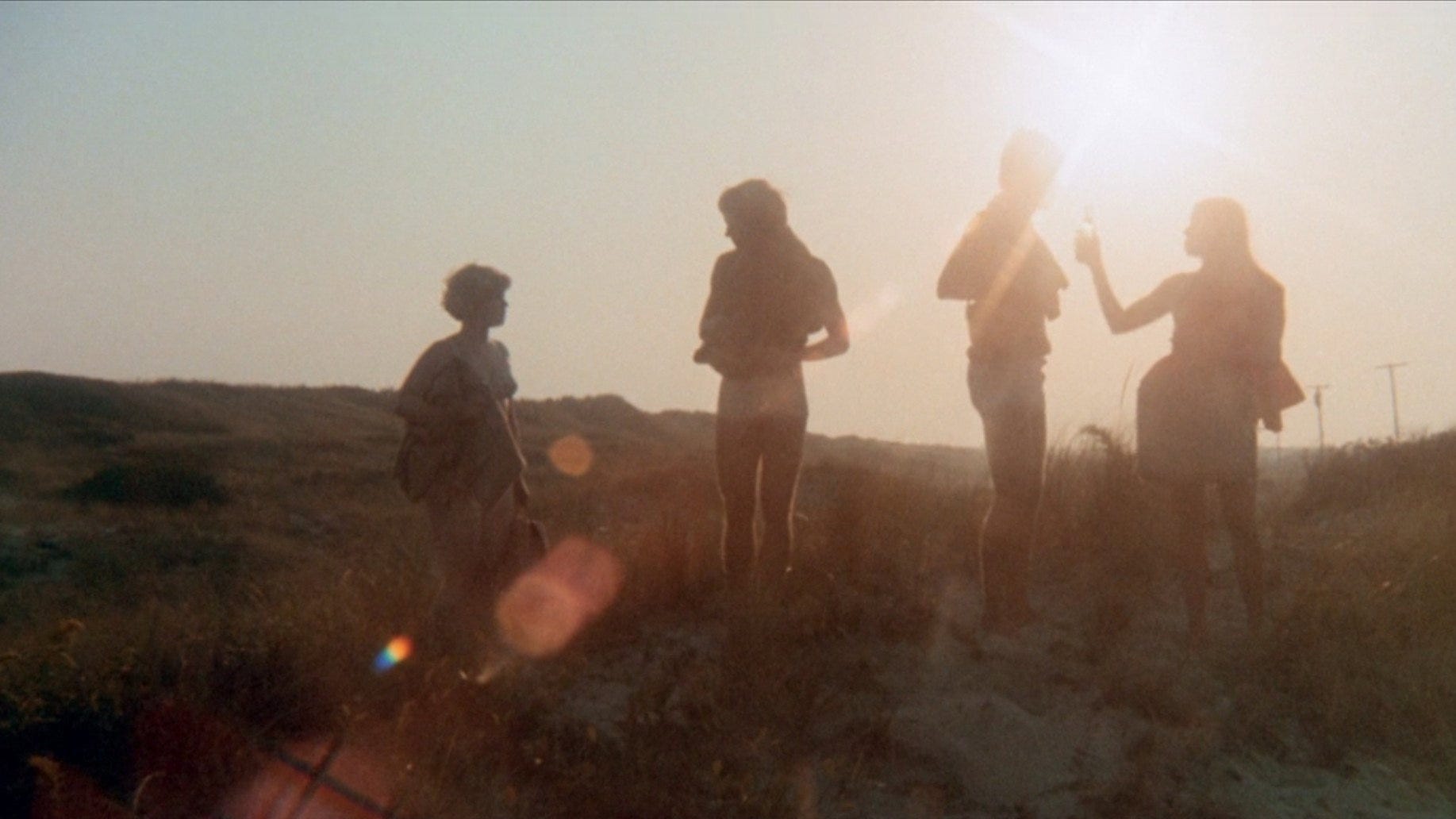
The last weeks of summer can feel like a dreamlike haze. A time apart, lazy yet melancholy for what it heralds: a return to reality, an accounting of sins, reflections on a year nearly ended. In these anxious days of algorithm-fueled dread, it’s far more pleasant to slip into summer’s unreality.
And why not?
The best of those days are brimming with time. With harried days ahead, we’re free to languish, hopefully by the ocean or pool or mountain lake. Even if your August was filled with work (as sadly mine was), you can still escape into a past slick from swim, or a late-breaking storm — drawing on a reservoir of endless hazy afternoons that never really ended, the humidity and perfume instantly available if you call for them.
Ahh but when you’re in its midst, endless time can obliterate reality. There are no consequences, only terrifying freedom. Who hasn’t chosen a different summer guise? Or let their mind run towards something more permanent? All it takes is a pale blue sky, and an illicit thrill or desire that cannot or should not be fulfilled becomes present and possible.
Why does yearning for possibilities that make no sense plague the aristocratic Russians on holiday in 19th-century Baden-Baden in Ivan Turgenev’s Smoke (1867) or waste the last pre-WWII days of the bourgeois French in Éric Rohmer’s novel Élisabeth? What spell does the late August sun cast on the American teenagers in Frank Perry’s Last Summer (1969) that leads them to act with such wanton cruelty towards people they claim to love?
Liberated from time and consequence, does identity itself become fungible?
Each of these works suggests that our yearning reveals truths hidden under layers of bourgeois distraction and material ambition. Our vacationers long for something new, with little regard for their “reality.”
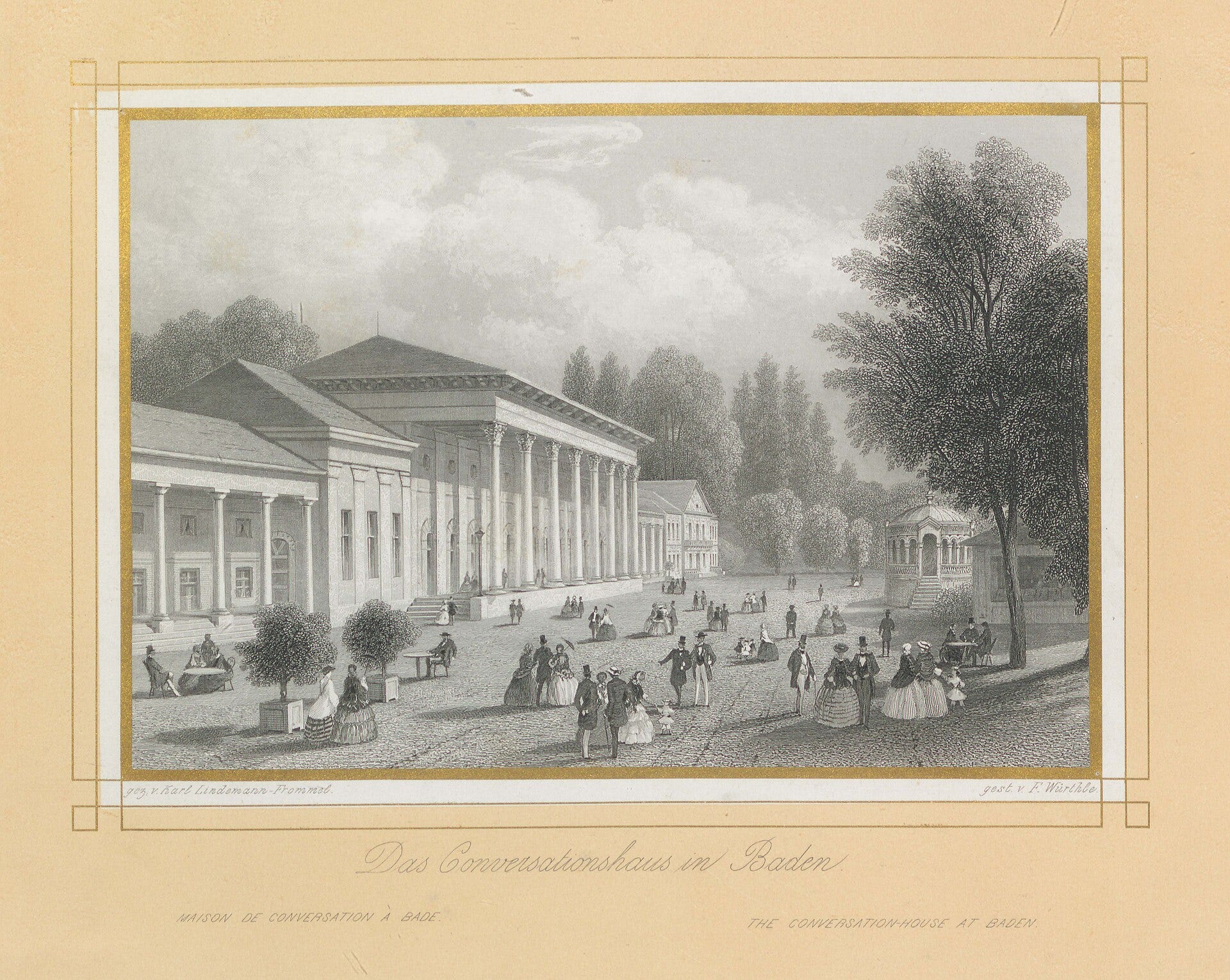
Take the case of Turgenev’s Litvinov, the repressed and correct Russian aristocrat taking a mountain vacation in Smoke. His studies are finished, his father’s estate waits across the border like the rest of his life, furnished and quiet. Baden-Baden — the mountain spa where fashionable Russia takes its waters — is meant to be a brief holiday with his betrothed before that life begins. He is a serious man in an unserious place, and he believes that he is only passing through.
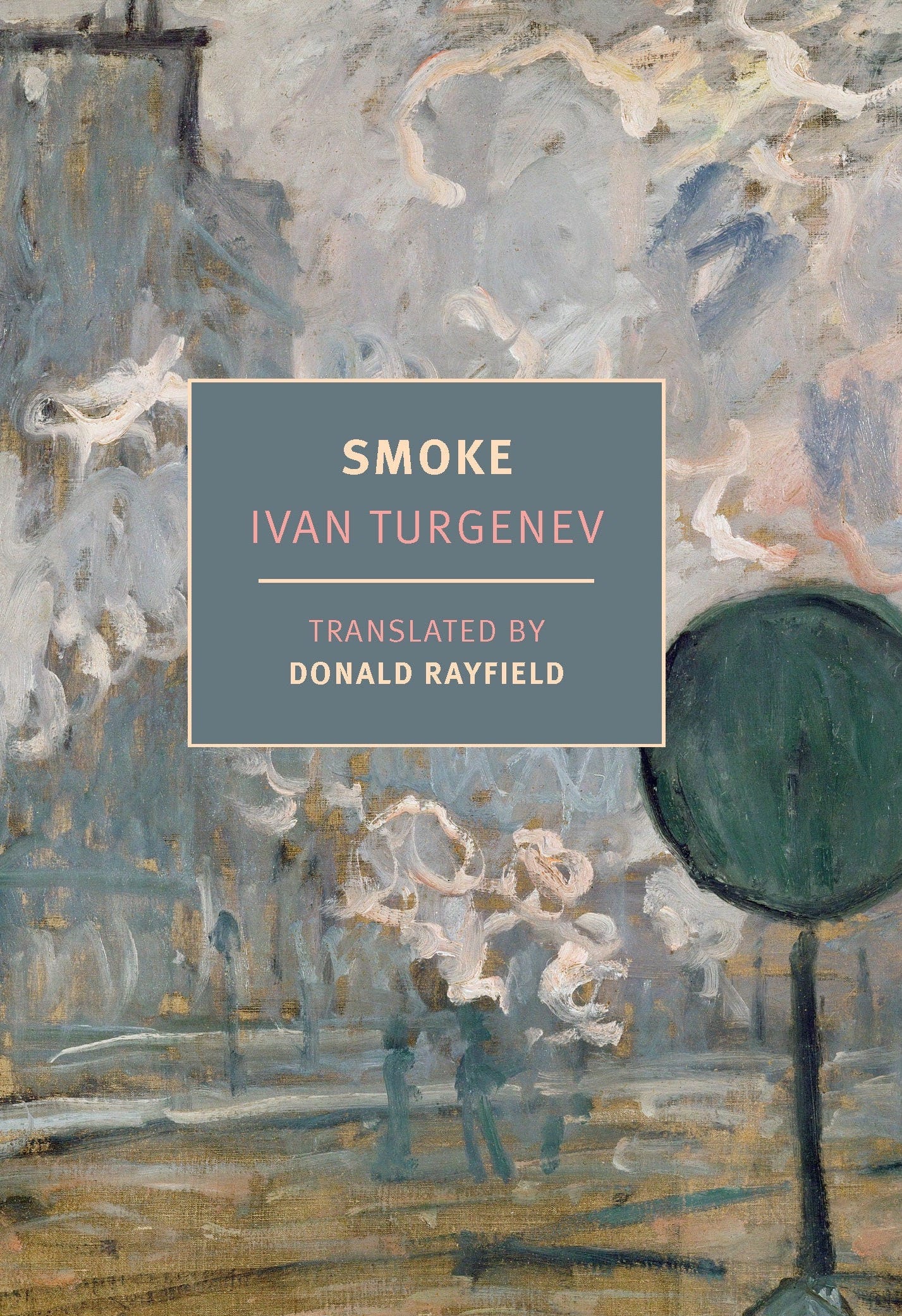
All it takes is a bouquet of heliotropes in his hotel room, and the entire carefully crafted identity collapses. His “lost love,” the Princess Irina, has reappeared (holidays can be like that no?) and is seeking to return to her more authentic past. Irina is trapped in a life of leisure and society, married to a vulgar, ambitious General who clears their path to social dominance and overwhelming material wealth.
Seduced by mountain mists and Irina’s beauty, Litvinov struggles but ultimately succumbs to his desires and destroys the stable relationship and social respectability he so carefully earned. The moment he smells heliotropes, time’s linear nature explodes and he is the man who loves Irina. His yearning overwhelms his senses.
As he contemplates later on, after the consequences of his actions have set in:
“…it all seemed as smoke to him, everything, his own life, Russian life — everything human, especially everything Russian. All smoke and steam… everything hurrying, flying towards something, and everything vanishing without a trace, attaining to nothing.”
Litvinov’s loss of control scandalized the Russian literati (Tolstoy especially), but would anyone blame him if we knew him? Or would we nod and think “there but for the grace of God or circumstance go I”?
80 years later, a similar late summer melancholy hangs over Élisabeth, Éric Rohmer’s novel set just before WWII begins. The Roby cousins spend the last weeks of August 1939 languishing through a heat wave on the Marne seaside and torturing themselves with impulse and regret.

The past few summers Michel has been having an affair with the married and older Irène while visiting his cousins’ summer home. Irène’s husband has since passed, and she has expectations of marriage. But with the thrill of an illicit summer affair turned to a potential lifelong commitment, the yearning curdles. Michel sits a few feet from Irène, smiling at her, and Rohmer lets us hear everything the smile contains:
“I hate her to the point of death, murder and death. At this precise moment it’s simply a fact. No matter how much I smile, I hate her; no matter how much I love her, I hate her; no matter how much . . .”
A moment later he has carried his chair to her side, all tenderness again, and it is Irène who tells him “you’re the one who’s dramatizing everything today.” She never learns how close it came. In this August a man can envision murdering his mistress between one smile and be kissing her hand by evening.
His cousin Bernard is plagued by similar indecision, and it runs aground one gray afternoon when the heat wave finally breaks and the rain comes down on the river. There Bernard finds a girl — sixteen at most, rich chestnut hair falling past her shoulders — straddling a tree trunk that slants out over the swollen water, in her bathing suit, in the rain, unbothered by either.
Bernard can narrate his desires as perfectly as his cousin, and act on them just as little; he tries his charm on her instead. What he gets back is a manifesto:
“…real camaraderie between men and women is possible,” she said, without turning, in that same steady and peremptory voice. “But when you look at the actual state of things, you don’t see that camaraderie—everything just devolves into flirtation. Especially with boys. If you’re here looking to flirt, you’re wasting your time.”
They swim anyway, rain stippling the slow water, the afternoon assembling itself around them the way August afternoons do. When they’ve dressed again on the bank, Bernard’s hand comes to rest on the shoulder of her rain jacket, “just beyond the touch of her damp curls”. Rohmer is already measuring desire in aching centimeters of indecision that he would perfect in his Moral Tales.
In the Robys’ endless August nothing is consummated and nothing is renounced; desire hangs in the air like the humidity, present and possible and permanently unresolved.
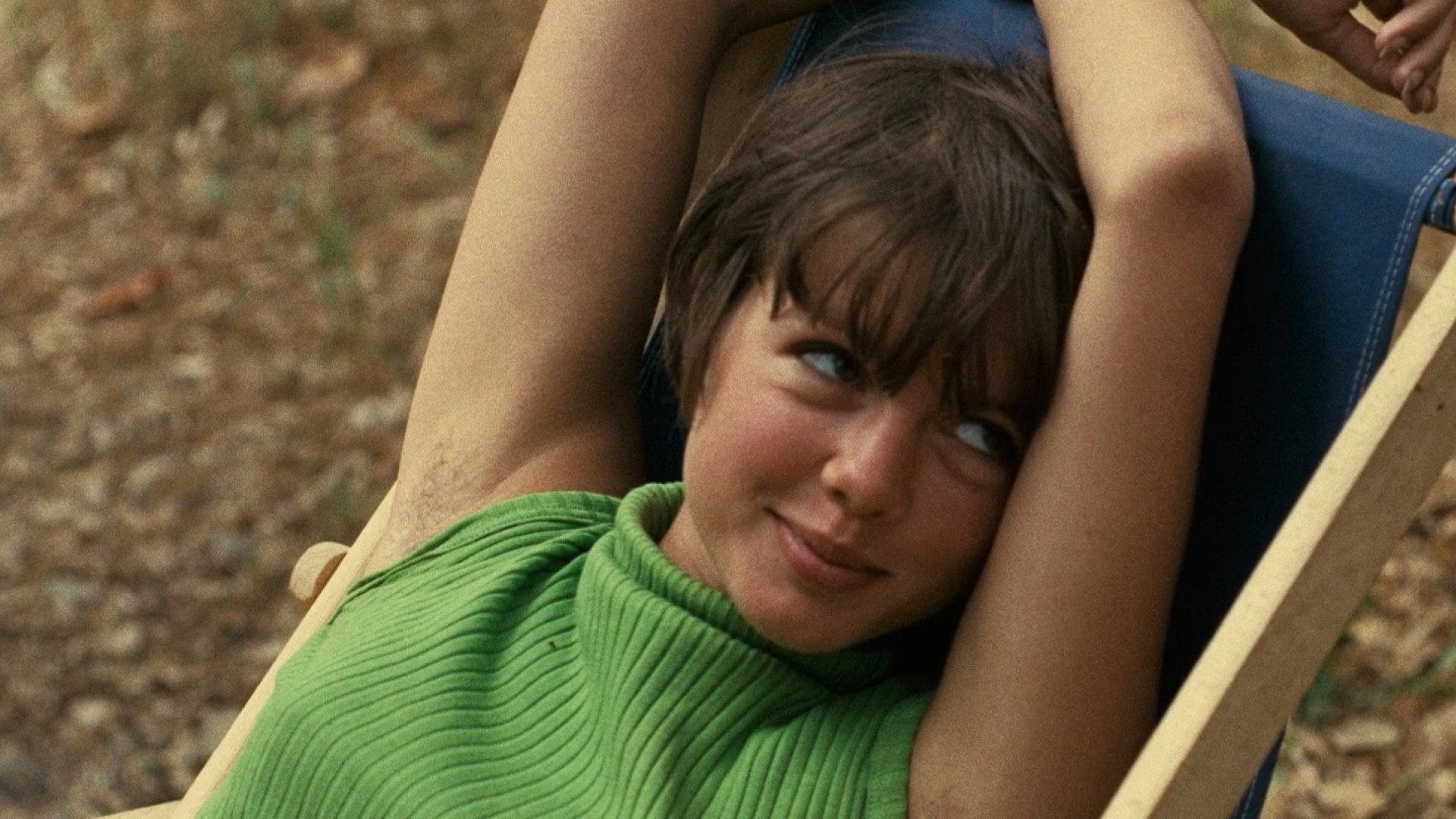
By the time he filmed La Collectionneuse (1967) Rohmer had distilled the Robys’ condition into a single borrowed villa near Saint-Tropez. Adrien — literally a dealer in beautiful classic objects — and Haydée, the “collectionneuse” of the title, share the house with Daniel and all the time in the world to do absolutely nothing.
Adrien first “meets” Haydee when he walks in on her having sex with a man we learn is one of her many dates. Haydee is a free spirt, which challenges the egos of both Adrien and Daniel, who seek at every turn to tease and humiliate a woman they both clearly desire. In little ways, we see cruelties played out, as Haydee offers honesty and affection to both men, and is objectified in return.

Idle, weary and languid, Adrian and Haydee clearly ache for one another. Haydee is willing to submit to all sorts of suggestions by Adrian. She is clearly able to handle herself. She is open that she is interested in Adrian, but his need to dominate her and control the situation leads only to frustration.
At the film’s conclusion Rohmer dresses them in matching greens, and the color runs deeper than wardrobe: they are perfectly matched in envy for the relationship each wants and won’t allow.an abundance of natural and physical beauty no competition for their anxious perseverations.
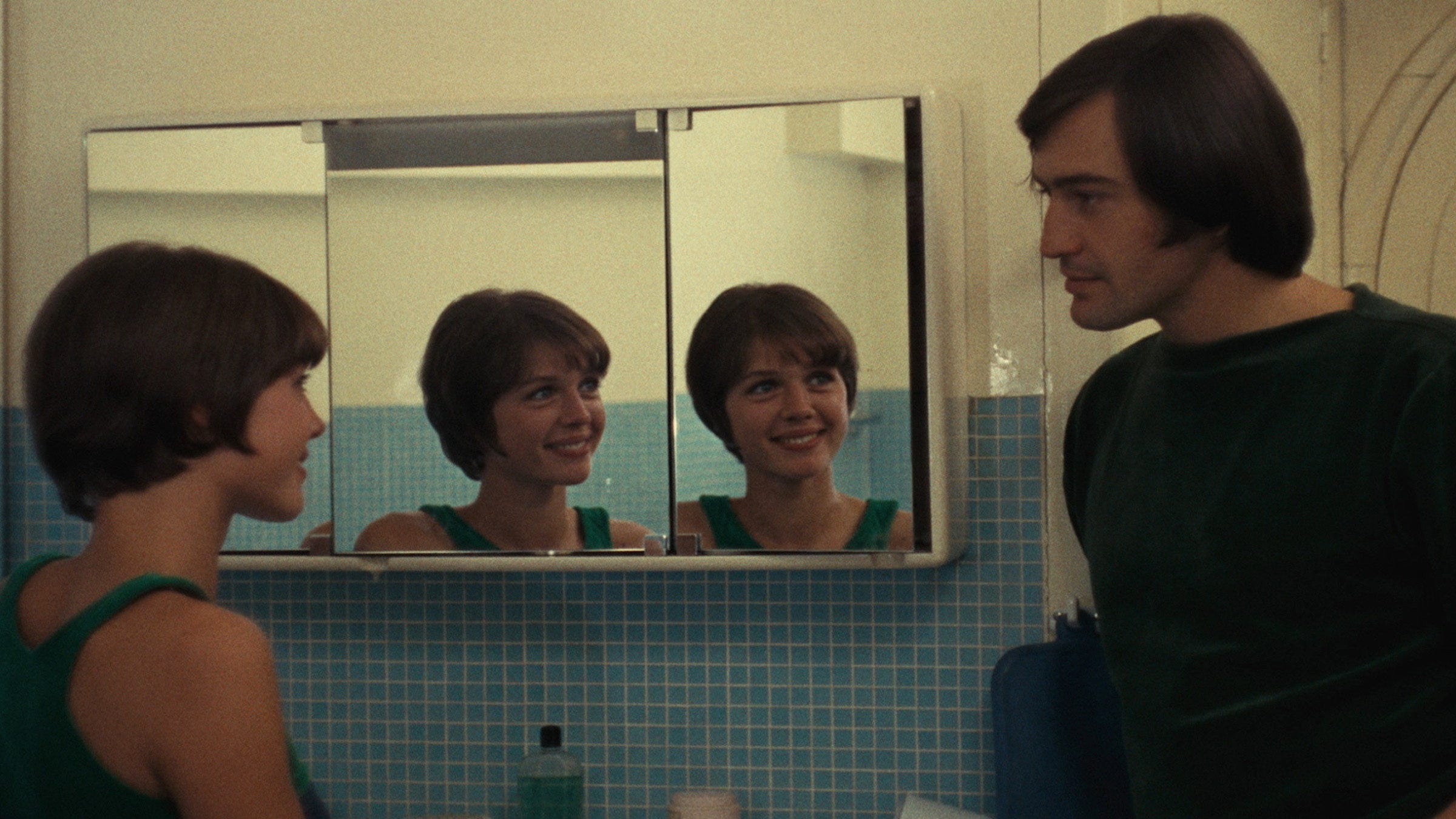
This is yearning as Rohmer understood it — torturous, neurotic, egotistical, leaving an ache at once delicious and dangerous. Before this summer is out, the ache has destroyed friendships and career dreams, and left a collector’s thousand-year-old Song vase in pieces on the floor.
And still the film tantalizes us to the end, withholding any real resolution between Adrien and Haydée — leaving the audience only a memory of unfulfillment.
Jacques Rozier explored these idle days in a far sweeter, yet no less melancholy key. His brilliant Near Orouët (1971) sends three young Parisiennes to a seaside house on the Vendée coast for the month of September. The film turns on the arrival of Gilbert, Joëlle’s boss back at the office, who seeks her out and crashes the vacation. Presumptuous to a fault, Gilbert concedes to sleeping outside the villa in a tent, just so he can yearn that much closer to his intended.
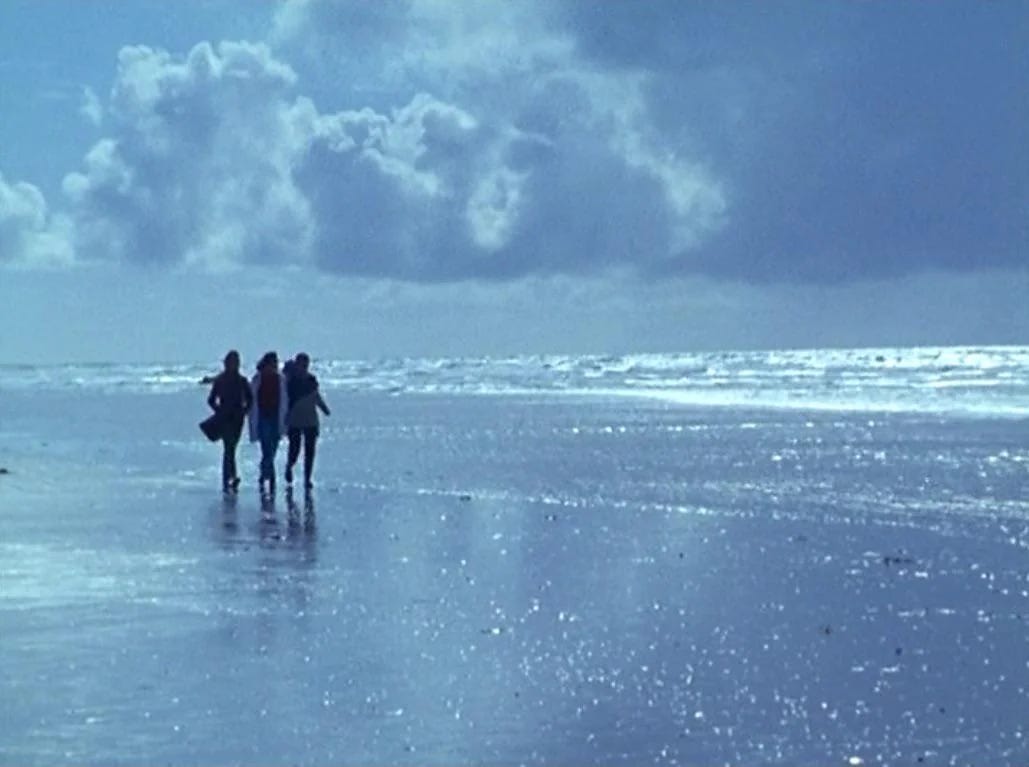
Near Orouët is all too real in showing us a summer where nothing is declared and nothing is decided; the relationships stay indefinable, blurred with ocean water and music and sun and wine. The film drifts past like a lost memory, blowing in through the jasmine of the mind and settling there. No film has ever captured the endless time so completely.


The flirtations are sweetly held and build a warm camaraderie among the foursome. Even when Gilbert is firmly rejected by Joëlle, he is comforted by his other two housemates — one gets the sense they have both fallen a little in love with him.
These are feelings of light and warmth that never overheat into frustration or violence. But frustration far more often mars these idylls, as endless time inevitably crashes into the reality of the seasons. The explosions follow: an engagement in Baden-Baden, a Song vase on a stone floor, and far worse. One senses the Robys can feel the static preceding the lightning of war, leaving no quarter or escape, like wild animals attuned to thunder.
Frank Perry’s Last Summer lets the storm break into almost unimaginable cruelty and violence amidst a beautiful Long Island summer.
The film strands three beautiful teenagers and one awkward outsider on Fire Island with no parents and no clocks — a Rohmer-esque trip into the Twilight Zone. Left to their own devices, to peer pressure and unfulfilled leering, the core trio — played by Bruce Davison, Barbara Hershey and Richard Thomas — seduces and is seduced by the heat of the summer and not knowing what to do with it.
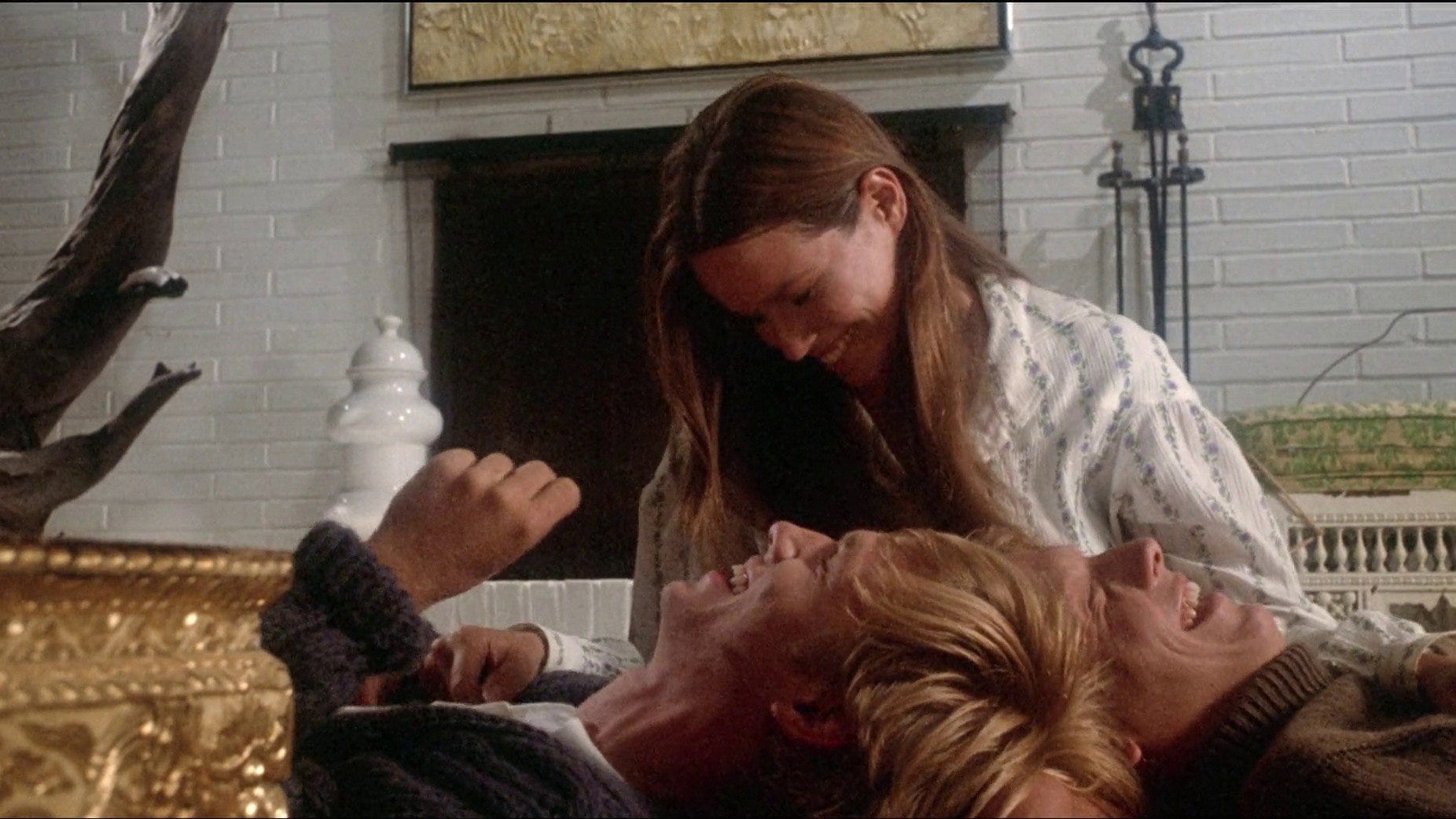
Their first meeting comes over an injured seagull, which they nurse back to health (graphically removing a fish hook) and adopt as a mascot. A throuple forms, bonded by what they claim is radical honesty — trading traumatic confessions like friendship bracelets. Hershey is preternaturally disturbing as the Queen Bee of the group.
Alluding to a history of abuse, she is well aware of the power she wields over the two young men in her grasp. In an extremely intense scene at a movie theater, she welcomes that power with overwhelming, almost ecstatic pleasure. Unlike the foursome at Orouët, this is a group that thrives on power dynamics.
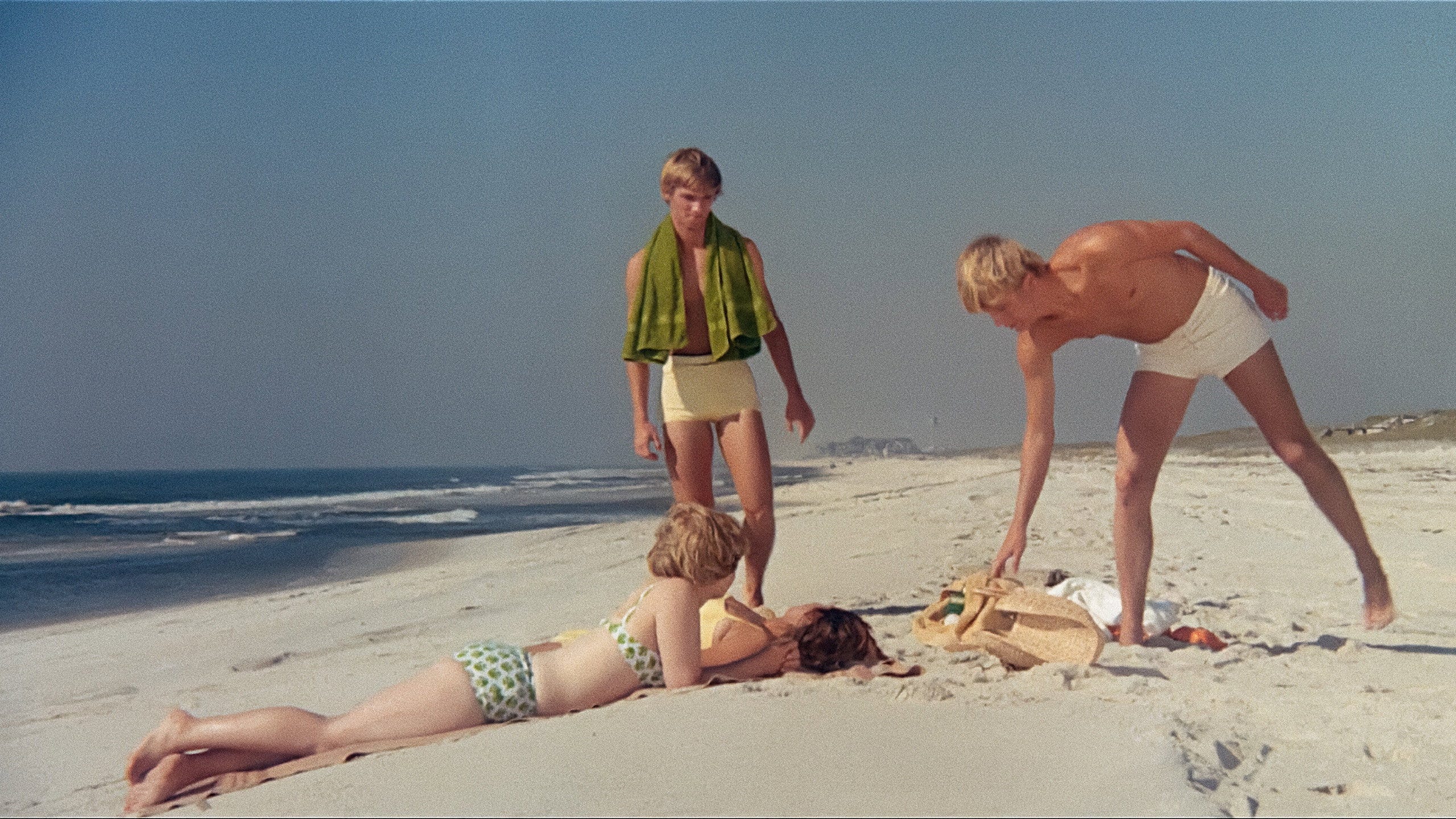
Rhoda is the group’s fourth wheel — younger, awkward, achingly sincere in her one-piece bathing suit while the others swim in their skin. She mistakes their games for friendship and offers up her real grief to a group that collects confessions as ammunition, telling the story of her mother’s drowning in a long, unbroken monologue.
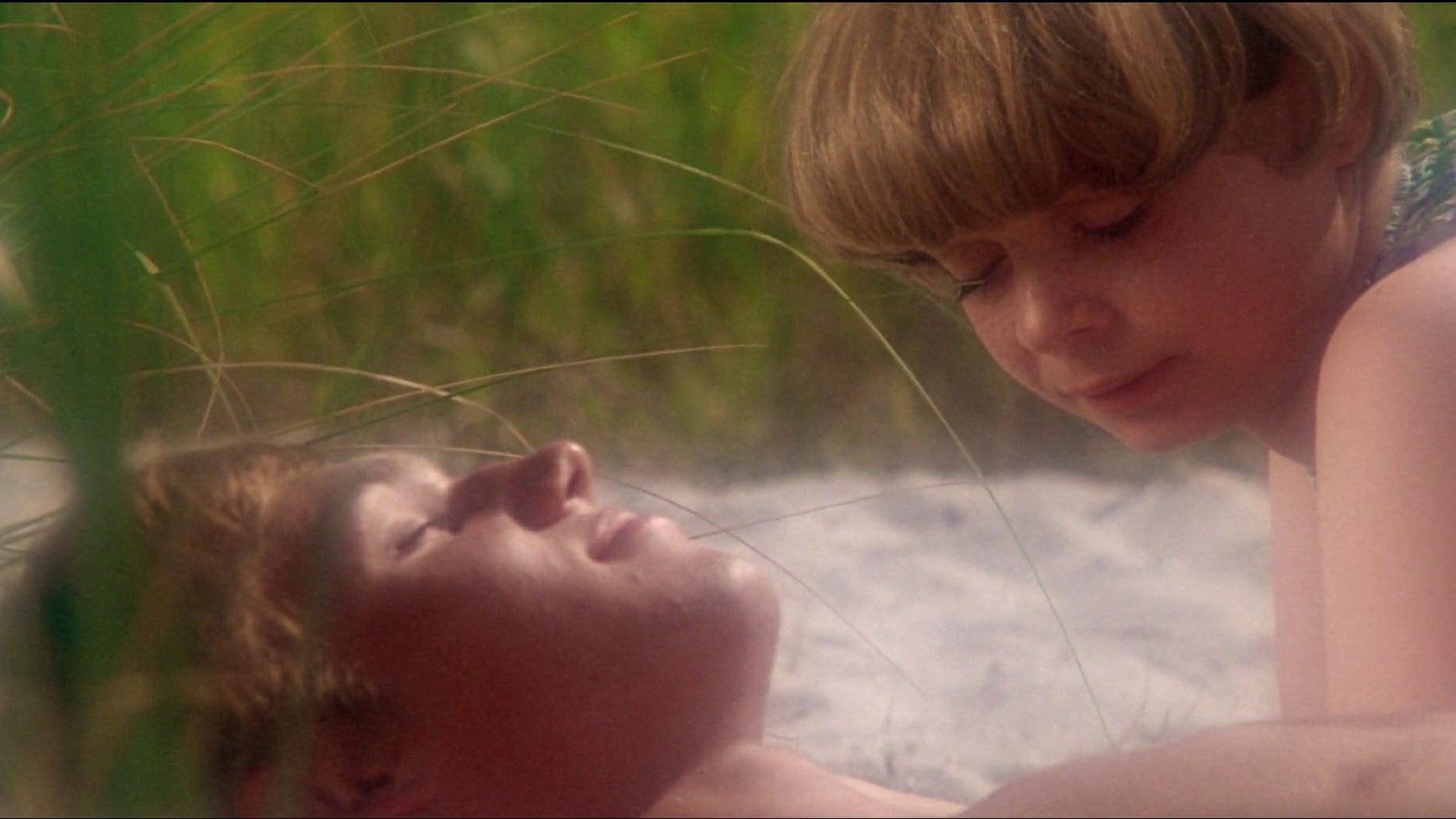
But these are all mere illusions fueled by summer’s lack of consequences. When the healed seagull bites the girl who saved it, Sandy kills it without a flicker of hesitation. Rhoda tells the group exactly what they’ve done — “You’ve taken away his sense of identity. You’ve turned him into a schizophrenic!”
But unchecked, their cruelty escalates. The trio submits a computer-dating questionnaire — 1969’s punch-card ancestor of the algorithm — and lures a lonely middle-aged man to the island for a date rigged as a humiliation, leaving him to be beaten by local thugs.
In the film’s final and most devastating scene, the frustrations of the summer explode into an assault. In the end, Rhoda is loved like the bird - a play thing, a curiosity, and a willing or unwilling participant in their twisted desires. The graphic scene is an explosion of violence with sex one more weapon to exert power, punishment and revenge.

For all its beauty, Summer is a dangerous time. It can lend itself to harmless flirtations, or temporary flings - but can also seduce us into destroying priceless and precious areas of our lives. These works transcend time, culture, era and technology - and yet the unfulfilled and illicit late August desires are common to us all.
If you close your eyes, I bet you can feel yours now. It’s an ache that can keep one warm all autumn and Winter.
WHERE TO WATCH (AND READ)
PHYSICAL MEDIA
Last Summer — Warner Archive Blu-ray (2026), remastered from 4K scans of the original negative; it is streaming nowhere. The disc ends a half-century in the wilderness: the film opened rated X in 1969, was trimmed to an R five weeks later — Frank Perry counted the cuts as “one Anglo-Saxon expletive” and “a half thrust” — and then all but vanished, never once released on DVD, surviving only as a pan-and-scan 1980s VHS from the long-defunct Key Video. The Blu-ray presents that theatrical R cut, lovingly restored.
La Collectionneuse — in Criterion’s Six Moral Tales box set.
Near Orouët — newly restored in 4K in Radiance’s limited-edition box set Time to Play: Films by Jacques Rozier, five features and a run of shorts (Region B, and worth the import).
IN PRINT
Turgenev, Smoke — Donald Rayfield’s new translation from NYRB Classics
Rohmer, Élisabeth — McNally Editions, translated by Aaron Kerner, with a foreword by André Aciman.
STREAMING
Near Orouët and La Collectionneuse stream on the Criterion Channel
The Cognitive Film Society is a 501(c)(3) nonprofit organization dedicated to cultivating film culture through educational programming and community engagement.
Amazing article! Well researched but also more than that, the gift of many summers gone by. You have me thinking about this time of year in a completely different way.
This is beautiful. I love the juxtaposition of Rohmer to Litvinov. It is so true that there is a tension in the August humidity. It’s almost all that exists. A tenseness in the ether. Fantastic piece Douggy ❤️❤️❤️