



Editor’s Note: At the Morgan Library & Museum’s Gilder Lehrman Hall, the Curiosity Cabinet—a contemporary chamber ensemble—performed live scores for two 1928 experimental silent films: Melville Webber and J.S. Watson Jr.‘s The Fall of the House of Usher and their adaptation of The Tell-Tale Heart. The evening also featured original instrumental settings of Poe’s poetry, including “Evening Star” and The Raven.
As part of our NoirVember programming, this performance traces noir back to its literary origins. Poe invented the psychological darkness that would define film noir a century later—these 1928 films use optical distortion and shadow the way later noir would, making visible what Poe’s prose could only describe.
Yelena Fradlis, Creative Director of the Cognitive Film Society, brings her design expertise to analyzing how contemporary composition transforms historical material. This continues our “In The Room” series, extending Cognitive Frames’ democratic criticism approach beyond cinema into live performance. — D.H.
Silent film with live score sounds like nostalgia—until you’re in the room.
In the age of omnipresent digital soundscapes, there is a profound magic in returning to the roots of cinema, particularly when the silence is shattered and reshaped by a live, contemporary score. An evening dedicated to Poe’s macabre visions is a testament to the power of reimagining history—a signature move for any artist with an eye for both the past and the avant-garde.
At the Morgan Library & Museum, the Curiosity Cabinet treated rescoring not as historical preservation but as creative intervention, fitting two 1928 experimental films with contemporary compositions that refused to be polite about Poe’s madness.
It is the fusion of two highly specific art forms.
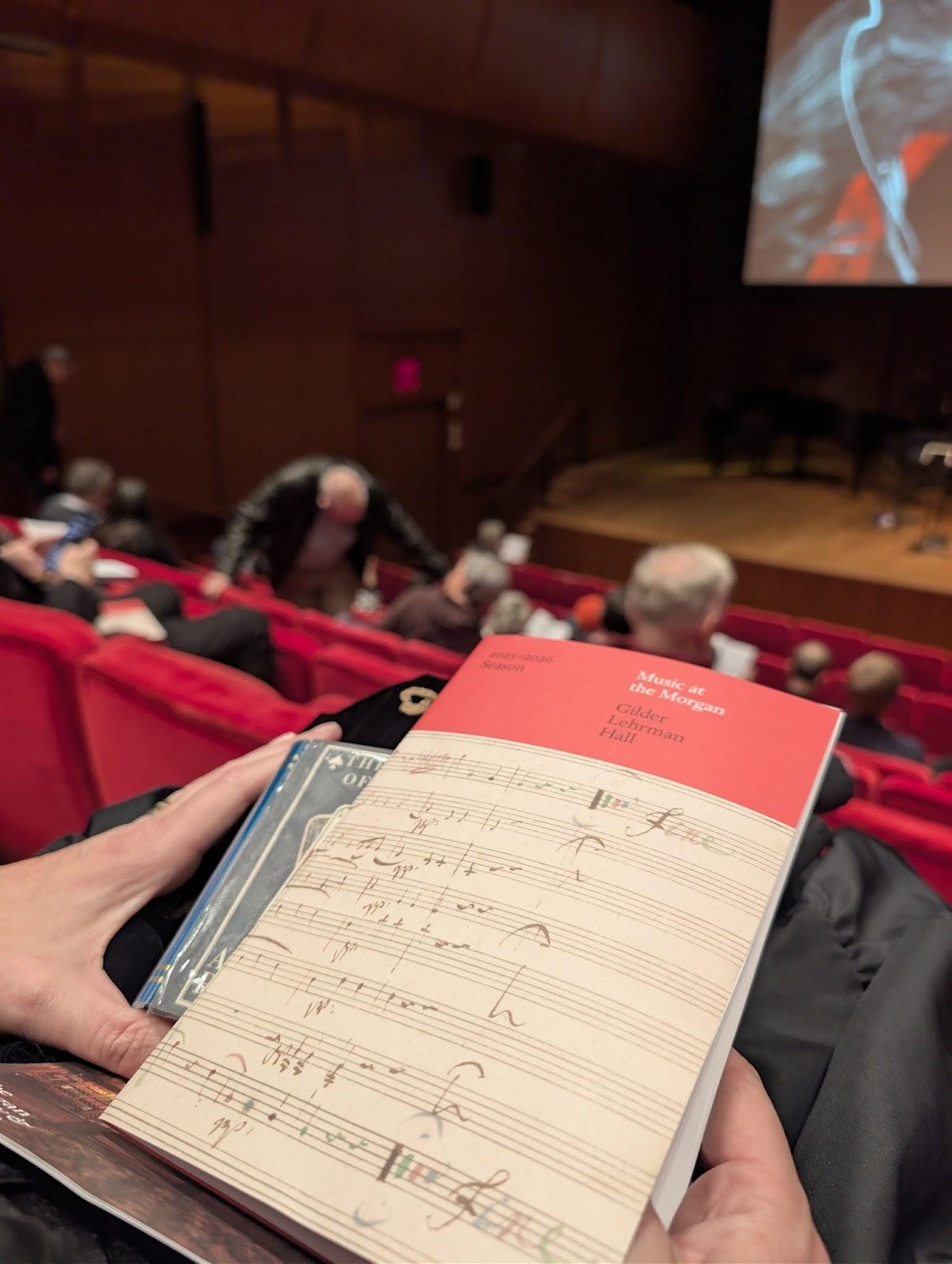
The Precision of Madness: Scoring Poe’s Visions
The program’s success hinges on applying this modern compositional rigor to Edgar Allan Poe’s enduring themes of decay and paranoia.
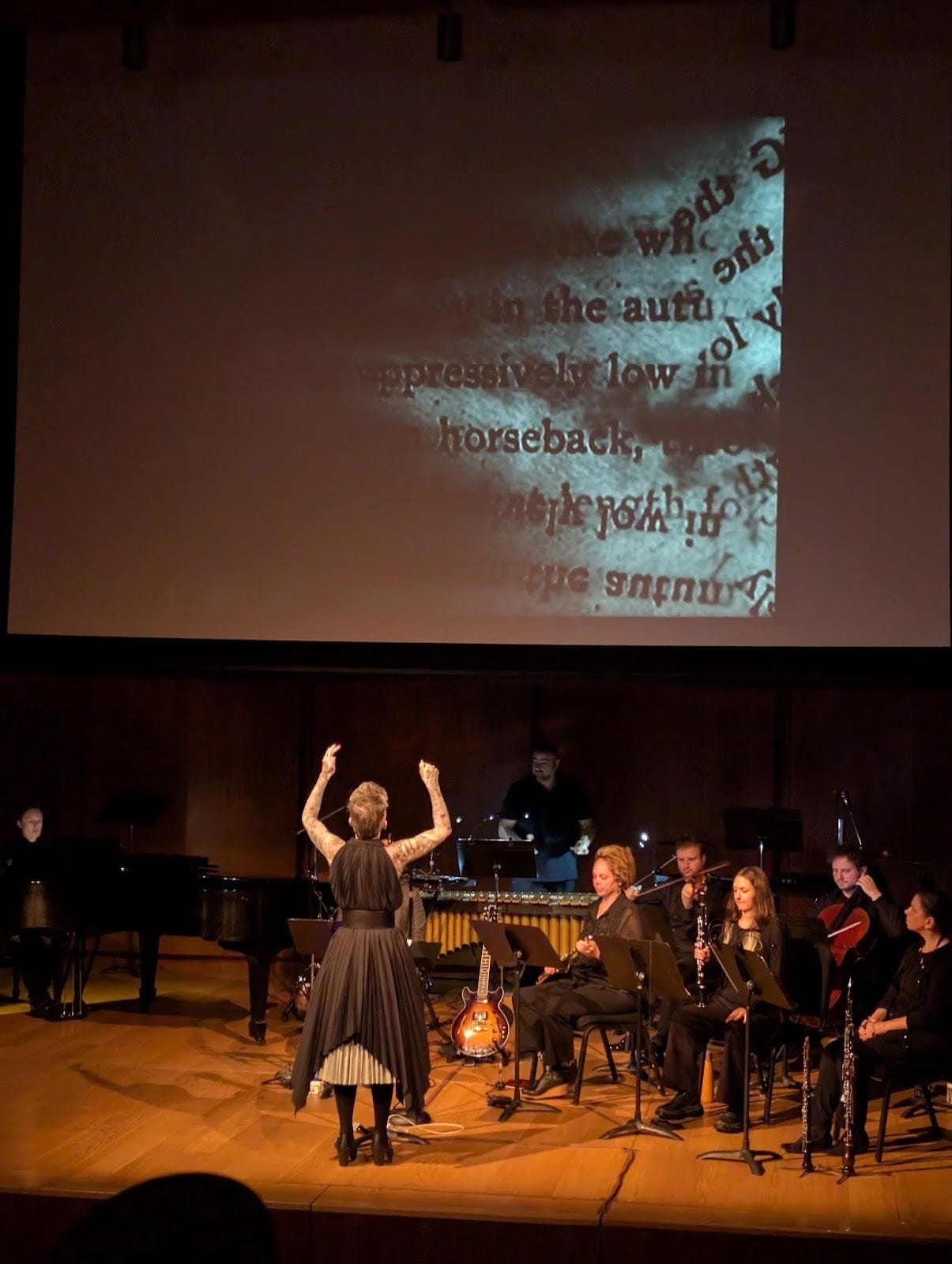
The Fall of the House of Usher (1928)
The film by Melville Webber and J.S. Watson Jr. is less a narrative than an aesthetic impression. It is an object lesson in visual distortion, created by directors who were not conventional filmmakers:
Optical Technique: The work is defined by its use of the camera as a psychological tool. Shots utilized prisms and layering to achieve optical distortion, immediately suggesting a fractured, unreliable reality. The visuals conflate the characters’ deteriorating minds with the decaying manor.
The Score’s Response: The live score is notably sensitive to the strangeness of the visual environment. It employs registral extremes and percussive effects to match the film’s unique, alluring madness. When the images shimmer with instability, the music does the structural work to support that unease.
The Tell-Tale Heart (1928)
In this performance, the score operates as a kind of sonic polygraph.
The Leit-Motif: The music establishes a parallel drama through musical themes, or leitmotifs. The narrator is assigned a “death waltz,” while the victim’s presence is marked by the distinct ‘Vulture Eye Chord’.
A Sound Confession: The dramatic climax is achieved not just visually, but musically. Though the narrator is initially calm, the score betrays his psychological torture. The music literally becomes the sound of the heart beating beneath the floorboards, with the waltz dissolving into a quick 5/8 section. It is a masterful, precise exposure of guilt.
Poetry and Structural Design
The ensemble provides necessary contrast by setting Poe’s verse with instrumental pieces that offer intimate focus:
Evening Star achieves bittersweet resignation through the delicate sparseness of the piano’s upper register. The music finds solace in observing what distance renders inaccessible.
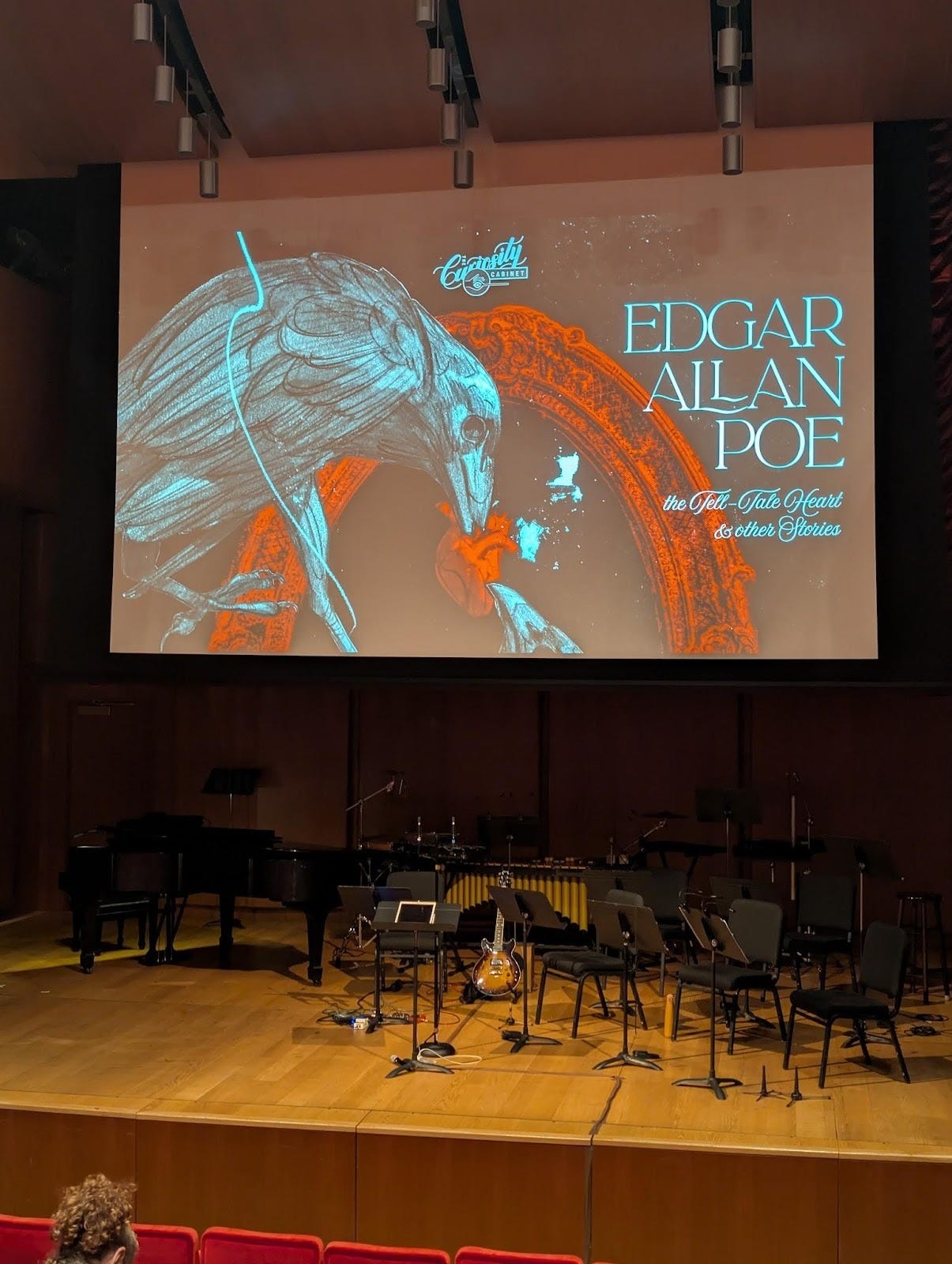
Before the performance begins: instruments positioned, projection calibrated, the Morgan’s parquet floor awaiting its transformation from archive to theater. The raven looms over empty chairs—Poe’s warning about what repetition does to the mind Quoth the Raven, the theatrical retelling of The Raven, uses the clarinet to track the narrator’s increasing mental stress. The music’s escalating pulse, from a calm background into a lively compound meter, details the psychological collapse caused by a single, economical word: “Nevermore”. The clarinet’s journey mirrors what Poe understood: repetition isn’t just emphasis—it’s mental dissolution made audible.
The evening succeeds because it refuses the museum impulse—that careful distance that treats historical work as too fragile to touch. The Curiosity Cabinet understood that Poe’s visions remain potent precisely because they’re not preserved but reanimated, not respected but inhabited.
Contemporary composition doesn’t diminish these 1928 films. It proves they’re still dangerous. The Morgan Library preserves Poe’s manuscripts behind glass; the Gilder Lehrman Hall that night proved those words still draw blood when you give them sound.